Top 10 Tips for Choosing the Best Vernier Caliper?
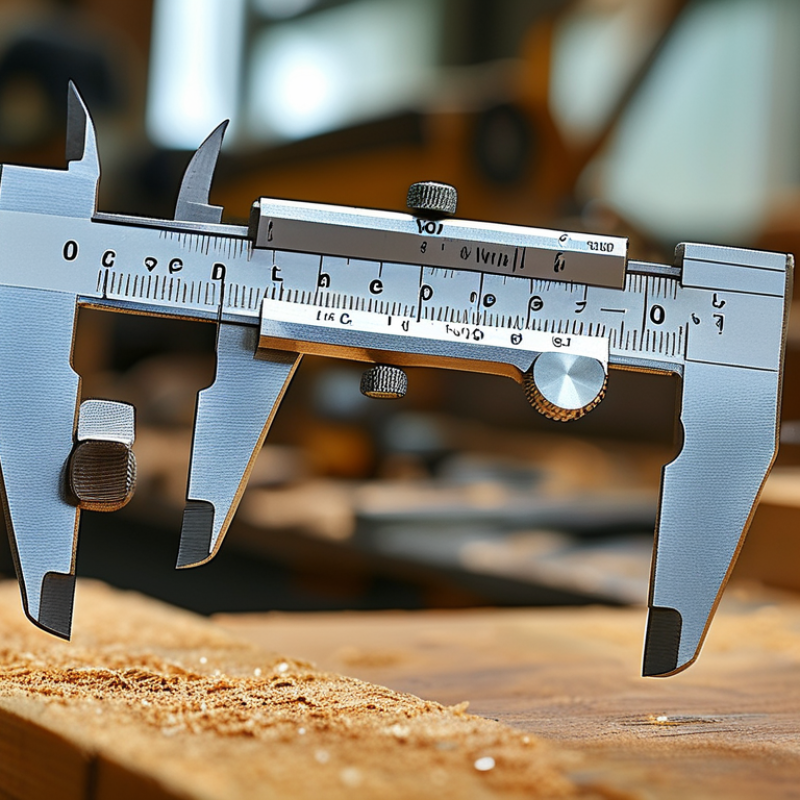
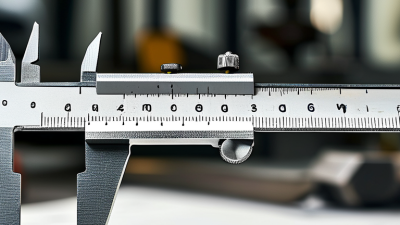
Choosing the right Vernier Caliper can significantly impact precision in measurements. These tools are vital in various fields, including engineering and woodworking. However, selecting the best one can be challenging due to the vast array available in the market.
Consider your specific needs before making a decision. Not all Vernier Calipers are created equal. Some offer better durability, while others provide advanced features. The right choice can enhance accuracy in your projects and prevent costly mistakes.
Proper understanding of the features can make a difference. Pay attention to the scale type, measurement range, and material quality. A tool that is easy to read can save you time and effort. Remember, the ideal Vernier Caliper meets your requirements while ensuring reliability and precision in every measurement you take. This choice is essential for achieving the results you desire.
Understanding the Purpose and Types of Vernier Calipers
When selecting the best vernier caliper, understanding its purpose and types is crucial. Vernier calipers are precision instruments used for measuring internal and external dimensions with high accuracy. These tools are essential in various industries. According to a report from the National Institute of Standards and Technology (NIST), vernier calipers can achieve accuracies of up to 0.02 mm, making them reliable for detailed work.
There are different types of vernier calipers, including standard, digital, and hydraulic. Each type serves specific measurement needs. For instance, digital calipers offer ease of reading and reduce human error. They are especially beneficial in fast-paced environments. However, reliance on digital displays may lead to neglecting manual calibration. Traditional analog vernier calipers, while requiring more skill, provide a tactile feedback that many professionals prefer. This contrast emphasizes the need for users to reflect on their true requirements and working conditions.
In a study conducted by the American Society for Quality, over 25% of professionals reported measuring issues due to improper use of their tools. The choice of a caliper should align with the tasks at hand, considering factors like workspace, lighting, and measurement frequency. Making an informed decision involves weighing convenience against accuracy and reliability.
Factors to Consider for Accuracy and Precision in Measurement
When selecting a vernier caliper, accuracy and precision are paramount. According to a study by the National Institute of Standards and Technology (NIST), measurement errors can significantly affect results in fields like engineering and manufacturing. A caliper with a resolution of 0.02 mm provides a reliable measurement for most applications. However, even a minor miscalibration can lead to discrepancies.
Materials and construction are crucial. Stainless steel calipers tend to resist wear and corrosion, maintaining their accuracy over time. A report from the American Society for Quality (ASQ) indicates that regular calibration is essential for maintaining precision. Environmental factors like temperature and humidity also play roles. A vernier caliper used in a workshop may yield different results than one used in a lab.
Consider the scale and display type as well. Digital displays are easier to read, reducing human error in interpretation. However, they may require batteries. In contrast, analog scales have no electronic dependence but can be harder to read accurately. User experience indicates that familiarizing oneself with the tool enhances precision. Proper grip and position during measurement ensure consistency in results. Small adjustments in technique can lead to significant differences in overall accuracy.
Material Choices: Selecting Durable and Lightweight Vernier Calipers
Material choices play a crucial role when selecting a vernier caliper. The right material ensures durability and ease of use in varying conditions. Common materials include stainless steel, plastic, and aluminum. According to industry reports, stainless steel calipers are preferred for their corrosion resistance and longevity. They typically last longer than their plastic counterparts, which can wear out faster under stress.
Aluminum calipers are lightweight, making them convenient for transport. However, they may not offer the same accuracy as stainless steel. Studies indicate that a significant percentage of professionals prefer stainless steel. This choice reflects a balance of weight and reliability. A report by the National Institute of Standards and Technology highlights that slight inaccuracies can emerge with lower-quality materials, impacting measurement precision.
When selecting a vernier caliper, consider your specific needs. Look for features like jaw depth and ease of reading measurements. Some materials, like plastic, may be suitable for educational settings but less ideal for professional use. Weighing these factors can guide you to the best choice for your application. Remember, every material has its strengths and weaknesses, and what works best varies by user.
Top 10 Tips for Choosing the Best Vernier Caliper
| Feature |
Material |
Weight (grams) |
Accuracy (mm) |
Price ($) |
| Digital Display |
Stainless Steel |
150 |
0.02 |
35.00 |
| Manual |
Aluminum |
120 |
0.05 |
20.00 |
| Precision Scale |
Carbon Fiber |
80 |
0.01 |
50.00 |
| Water Resistant |
Stainless Steel |
140 |
0.02 |
45.00 |
| Electromagnetic |
ABS Plastic |
110 |
0.03 |
55.00 |
| Dual Measurement |
Zinc Alloy |
160 |
0.02 |
65.00 |
Ease of Use: Features that Enhance User Experience and Functionality
When selecting a vernier caliper, ease of use should be a top priority. Look for features that enhance user experience. For example, a clear, easy-to-read scale is essential. Measurement readings should be visible even in poor lighting conditions. Consider calipers with large digits that are easy to interpret at a glance. An ergonomic design can also make a significant difference. It allows you to hold the caliper comfortably, reducing strain during long measurement sessions.
Additionally, some calipers offer a locking mechanism for measurements. This feature prevents accidental shifts while recording data. A solid feel can give you confidence in your measurements. However, not every user will prefer the same features, and it’s essential to reflect on individual needs.
Some may find digital displays easier to use, while others might favor traditional analog models. Evaluating these aspects helps in making an informed decision. Balancing simplicity with essential features often leads to a better overall experience.
Budgeting Wisely: Finding a Balance Between Quality and Cost
When it comes to selecting a vernier caliper, many factors weigh heavily on decision-making.
Balancing quality and cost should be a priority. Investing in a high-quality caliper pays off in the long run.
Precision tools ensure accuracy, which is crucial in measurements. Quality often reflects in the craftsmanship and the materials used in the tool.
However, high prices do not always guarantee superior performance.
Budget constraints can be challenging. It's easy to overspend on features that might not be needed.
Familiarize yourself with essential functionalities. Compare different models and their specifications. A less expensive option might suffice, especially for novice users.
Remember, a feature-rich caliper can be overwhelming for beginners.
Aim to identify core features that meet your needs and avoid unnecessary complexities.
Look for reviews and user feedback. Real experiences often paint a clearer picture than brand claims.
Be cautious about flashy marketing.
Weighing user satisfaction against the cost can guide your purchase.
The best vernier caliper aligns with your requirements and fits your budget without compromising reliability.
Don't ignore the importance of proper research before making your choice.