What is a Measuring Fixture and How to Choose the Right One?
Choosing the right measuring fixture can significantly impact your manufacturing process. These tools ensure precision in measurements, which is crucial for quality control. A good measuring fixture helps in achieving consistency and accuracy across various applications.
Measuring fixtures come in different designs and specifications. Selecting the appropriate one requires understanding your project’s unique needs. Factors such as material, size, and measurement types are essential. However, it can be overwhelming to navigate the options available.
Every engineer or technician faces challenges when selecting measuring fixtures. There is often a trade-off between cost and quality. Not all measuring fixtures will meet specific requirements. It's vital to evaluate each choice carefully. A well-chosen fixture can enhance productivity and reduce errors. Conversely, a poor selection may lead to frustration and wasted resources.
What is a Measuring Fixture?
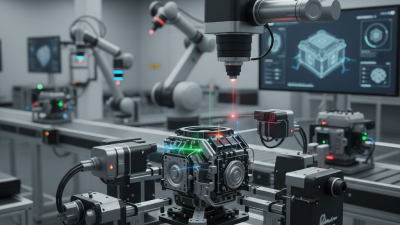
Measuring fixtures are essential tools in various manufacturing processes. They serve as reference points for measuring the dimensions of parts accurately. These fixtures help ensure consistency and precision in production. According to a study by the National Institute of Standards and Technology, accuracy in measurement can reduce manufacturing waste by up to 30%. This significant impact highlights the importance of selecting the right measuring fixture for your specific needs.
Choosing a measuring fixture involves understanding the specific requirements of your project. Factors include the material of the part, the complexity of the geometry, and the level of precision needed. For example, a well-designed fixture can accommodate multiple features of a complex part, improving efficiency. Yet, many firms overlook the importance of customization, leading to less effective measurement strategies. A report by the American Society of Mechanical Engineers suggests that 40% of measurement errors are linked to poorly designed fixtures.
When selecting a measuring fixture, consider the trade-offs between cost and quality. Value-engineering might lead some to opt for lower-cost fixtures, but this can result in inaccuracies over time. Studies show that investing in high-quality fixtures can save companies significant amounts in rework and defects. It's crucial to weigh these factors carefully, recognizing that the right fixture can enhance overall productivity in the long run.
Key Components of Measuring Fixtures
Measuring fixtures play a crucial role in ensuring precision and accuracy in manufacturing processes. Key components of these fixtures include bases, locators, and supports. Bases provide stability, while locators ensure the correct positioning of the parts being measured. Reports indicate that improper fixture design can lead to measurement errors, costing companies up to 15% of their total production costs annually.
Another important aspect is support systems. They must be designed to minimize movement during measurement. Studies show that fixtures that reduce vibration and thermal expansion can improve measurement accuracy by up to 30%. When selecting a measuring fixture, consider the materials used. For instance, metallic fixtures offer durability but can be sensitive to thermal changes.
Lastly, calibration is an essential component. Regular calibration ensures that the fixtures remain effective over time. A survey found that 20% of manufacturers do not calibrate their measuring tools regularly. This oversight can lead to unreliable measurements, impacting quality control. Understanding these components can lead to better decision-making in fixture selection, ultimately enhancing production efficiency.
Measuring Fixtures Types and Usage Frequency
This bar chart illustrates the frequency of use for different types of measuring fixtures, highlighting the importance of selecting the right fixture based on application needs.
Types of Measuring Fixtures and Their Applications
Measuring fixtures are essential tools used in manufacturing and quality control. They enable precise measurements of components. Choosing the right type can lead to improved efficiency and accuracy. Various types of measuring fixtures serve different applications, including coordinate measuring machines (CMM), optical comparators, and gauging fixtures.
CMM fixtures are versatile. They facilitate the measurement of complex geometries. In a recent industry report, it was found that 75% of manufacturers prefer using CMM fixtures for their adaptability. These fixtures excel in checking parts with intricate shapes and contours.
On the other hand, optical comparators are ideal for two-dimensional measurements. They project images of the part for easy comparison with standards. According to a survey, 60% of quality control engineers use them for inspecting flat and simple profiles.
Gauging fixtures, while precise, can be limited in their application. They are best for high-volume production environments where repetitive measurements are required. However, finding suitable gauging solutions can be challenging. Each part may need a custom fixture, leading to longer design times. Reflecting on the use of different measuring fixtures, manufacturers must balance between cost, precision, and utility to ensure quality outcomes.
Factors to Consider When Choosing a Measuring Fixture
When selecting a measuring fixture, several critical factors come into play. Precision is paramount. According to a recent industry report, nearly 65% of manufacturing defects arise from measurement errors. Therefore, a fixture that ensures accurate measurements is essential. Calibration capabilities also matter. Fixtures that can easily be calibrated reduce the risk of errors over time. Regular calibration intervals should be part of your maintenance schedule to enhance reliability.
Material choice is another consideration. The durability and stability of the materials used in a fixture significantly affect its performance. Data shows that fixtures made from high-quality metals experience less wear and maintain precision longer. Consider the environment where the fixture will be used. Exposure to extreme temperatures or corrosive substances can impact the fixture's longevity.
Ergonomics is crucial as well. A poorly designed fixture can cause operator fatigue, leading to mistakes. Customization options can enhance usability, making the fixture more adaptable to specific tasks. Lack of flexibility might hinder productivity. Ultimately, investing time in understanding these factors can lead to more consistent results in quality control processes. Failure to do so may result in inefficiencies that are costly in the long run.
What is a Measuring Fixture and How to Choose the Right One? - Factors to Consider When Choosing a Measuring Fixture
| Measuring Fixture Type |
Material |
Accuracy Level |
Application Area |
Price Range ($) |
| Optical CMM Fixture |
Aluminum |
0.01 mm |
Aerospace |
1500 - 3000 |
| Mechanical Fixture |
Steel |
0.05 mm |
Automotive |
800 - 2000 |
| Digital Measuring Fixture |
Plastic |
0.1 mm |
Electronics |
500 - 1000 |
| Gauging Fixture |
Cast Iron |
0.02 mm |
Precision Machining |
1000 - 3000 |
| Coordinate Measuring Fixture |
Carbon Fiber |
0.005 mm |
Tooling |
2500 - 5000 |
How to Properly Use a Measuring Fixture for Accurate Measurements
Using a measuring fixture correctly is essential for obtaining precise measurements. A quality fixture can improve accuracy significantly. According to a report by the National Institute of Standards and Technology (NIST), improper use of fixtures can lead to measurement errors of up to 15%. This emphasizes the need to adhere to proper practices during measurement.
When positioning parts in the fixture, ensure they are stable and well-aligned. Use indicators and dial gauges to check the alignment. A study from the American Society for Quality (ASQ) highlighted that realigning parts after initial placement can reduce measurement variability by 30%. Avoid rushing the setup; taking time here ensures more accurate results.
Regularly maintain and calibrate your measuring fixtures. This step prevents wear and tear, which could lead to deteriorating accuracy over time. Inspecting for defects and cleaning surfaces is vital. According to industry reports, fixtures that are not properly maintained can lead to inaccuracies that spiral out of control. Keep detailed logs of maintenance and calibration practices to monitor reliability.