Best Inspection Fixture Solutions for Global Supply Chains?
In today's global supply chains, the role of Inspection Fixtures is critical. These tools ensure product quality and adherence to specifications, directly impacting production efficiency. According to a recent report by Market Research Future, the global inspection fixture market is expected to reach $4.5 billion by 2025, highlighting its importance in manufacturing processes.
Expert David H. Allen, a recognized authority in the field, states, “Effective inspection fixtures can prevent costly rework and maintain high standards.” His insight underscores the significance of selecting the right inspection solutions for diverse manufacturing needs. Many companies overlook the adaptability of fixtures to various products, which can lead to inefficiencies.
Furthermore, as manufacturers increasingly adopt automation, the need for precise inspection fixtures becomes even more pressing. Businesses must reassess their current practices and remain open to innovative solutions. Challenges may arise in customizing fixtures for unique products, but those willing to reflect on their processes can enhance overall quality and performance.
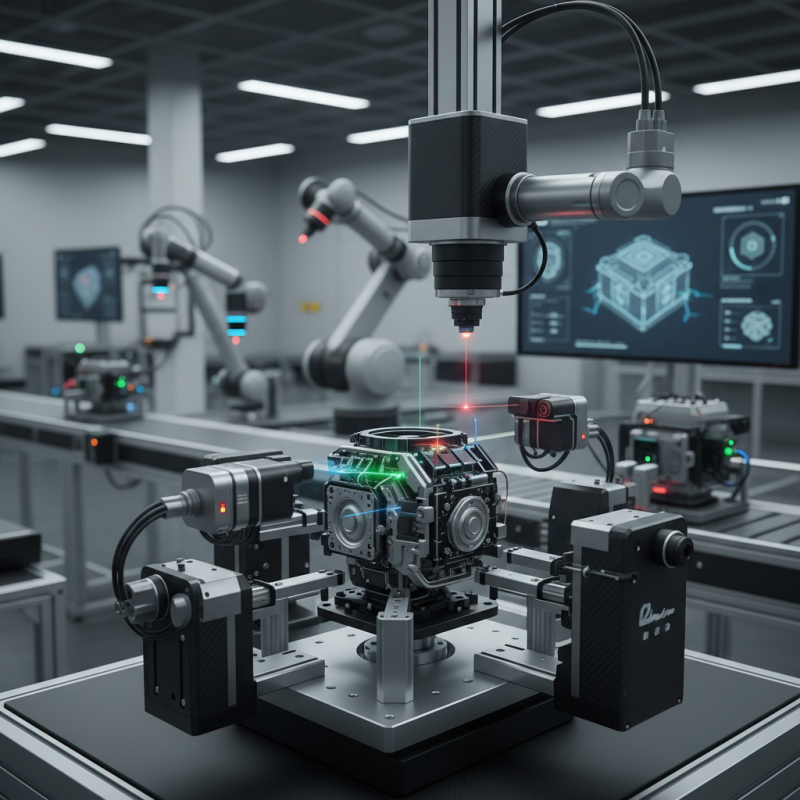
Best Inspection Fixture Solutions for Global Supply Chains
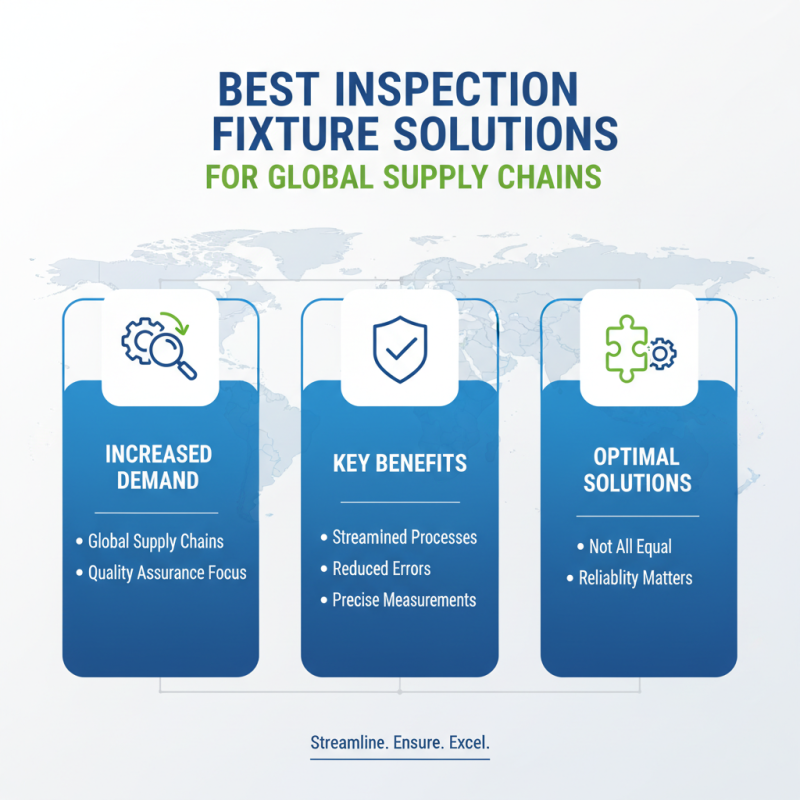
In today's global supply chains, the demand for reliable inspection fixture solutions has grown significantly. Industries are increasingly focused on quality assurance. Effective inspection fixtures help to streamline processes and reduce errors. These fixtures allow for precise measurements and evaluations of parts during production. However, not all solutions are created equal.
Selecting the right inspection fixture can be challenging. Many companies face issues with scalability and adaptability. Fix fixtures may work well for one product but fail for another. It's essential to assess specific needs before investing. Customization comes into play as a vital factor. Tailoring solutions enhances accuracy and efficiency and fosters better quality control. Yet, customization can lead to increased costs and longer lead times.
Collaboration with experts is crucial. Consulting with professionals can reveal insights that transform production lines. They can provide guidance on materials and technologies. However, reliance on outside expertise may sometimes overlook internal capabilities. Striking a balance between external advice and internal knowledge is key. Engaging in continuous improvement allows industries to refine their inspection processes over time.
The Role of Inspection Fixtures in Enhancing Supply Chain Efficiency
Inspection fixtures play a crucial role in enhancing supply chain efficiency. These tools ensure that components meet quality standards before products reach consumers. According to a 2022 report by the Manufacturing Institute, companies that utilize inspection fixtures report a 30% reduction in defective products. This translates to lower return rates and higher customer satisfaction.
Implementing inspection fixtures can streamline the production process. For instance, proper fixture design allows for faster inspection times. A study from the Quality Assurance Association found that effective inspection can cut cycle time by up to 25%. However, many organizations struggle with adapting current inspection processes. This can lead to bottlenecks and increased costs.
While inspection fixtures can greatly improve efficiency, they require regular evaluation. Tools that worked last year might not meet today’s production needs. Continuous investment in fixture technology is essential. Companies must balance cost and functionality. Embracing both automated and manual inspection fixtures allows for flexibility. This adaptability becomes vital in dynamic supply chain environments.
Key Industry Standards and Certifications for Inspection Fixtures
In the global supply chain, inspection fixtures play a critical role in ensuring product quality and compliance. Various industry standards govern these fixtures.
ISO 9001 is a leading quality management standard that outlines the necessary processes for effective quality control. It emphasizes continuous improvement and customer satisfaction, which can significantly impact supply chain efficiency.
Another essential certification is the ASTM standards. These provide detailed guidelines for material specifications and testing methods. By adhering to ASTM, companies can assure their stakeholders that their products meet stringent safety and performance criteria.
However, not all organizations fully comply with these standards. Some may overlook crucial testing procedures or fail to update their practices as required.
Furthermore, industry-specific standards like IPC-A-610 for electronics assemblies often come into play. These standards detail precise acceptance criteria for electronic inspection. Yet, many companies face challenges in training their staff to interpret these standards correctly.
Striking a balance between adhering to regulations and meeting production schedules can lead to lapses in attention. This highlights the need for ongoing education and resource allocation in the field of inspection technology.
Innovative Technologies Driving the Evolution of Inspection Fixtures
The landscape of inspection fixtures is rapidly changing. Innovative technologies are taking center stage, reshaping how global supply chains operate. Machine learning and artificial intelligence are key players in this evolution. These technologies enhance accuracy and efficiency, allowing for quicker inspection processes.
Automation tools are becoming increasingly important. They streamline operations, reducing human error while boosting productivity. However, adaptation is not without challenges. Companies may struggle with integrating new systems into existing workflows. This process requires careful consideration and strategic planning.
3D printing offers another exciting avenue for innovation. Custom fixtures can be produced faster, tailored to specific requirements. But this technology also presents questions regarding material strength and durability. Ensuring reliability becomes essential in a competitive environment. As the industry evolves, ongoing assessment and flexibility will be necessary.
Cost-Benefit Analysis: Implementing Inspection Fixtures in Supply Chains
Implementing inspection fixtures in global supply chains presents both opportunities and challenges. These fixtures can significantly reduce inspection time, enhancing efficiency. They provide accurate measurements and enhance product quality. However, the initial investment can be substantial, which leads to careful consideration. The return on investment may take time to realize. Businesses must evaluate their long-term goals alongside this expenditure.
Cost-benefit analysis reveals a complex landscape. While fixtures improve workflow, maintenance is an ongoing demand. Companies might face unexpected costs in upkeep. Moreover, training employees to use these tools efficiently can be resource-intensive. This necessity raises questions about the immediate benefits versus the potential learning curve. Risk management is crucial in this context; organizations need to assess the durability of fixtures and their compatibility with existing processes.
Using inspection fixtures may not be a one-size-fits-all solution. Some companies may struggle with the integration process. There is a risk of over-reliance on technology, which can lead to complacency. Regular evaluations of the implemented solutions are vital. Adapting to the feedback from these evaluations can guide future strategies. Insight into these areas promotes better decision-making in the evolving landscape of global supply chains.
Cost-Benefit Analysis of Implementing Inspection Fixtures in Global Supply Chains
This chart illustrates the cost savings and productivity improvements gained from implementing inspection fixtures in supply chains across various industries.