Why Choose Die Casters for Your Manufacturing Needs?
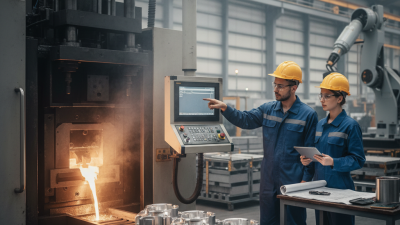
In today's competitive manufacturing landscape, choosing the right suppliers is crucial. Manufacturers face numerous challenges, from cost control to maintaining quality. Die casters stand out as a reliable choice in this complex environment. Their expertise and precision set the standard for efficient production.
Die casters offer unique advantages. They provide high-quality metal parts, with impressive tolerances and durability. Their ability to handle large production volumes makes them indispensable for various industries. These companies understand the intricacies of the die casting process, from mold design to material selection.
However, selecting a die caster is not without challenges. Not all die casters are created equal. It's essential to evaluate their experience and past projects. Manufacturers must carefully consider their specific needs and the capabilities of potential partners. This reflection can lead to more informed and beneficial decisions.
Understanding Die Casting and Its Importance in Manufacturing
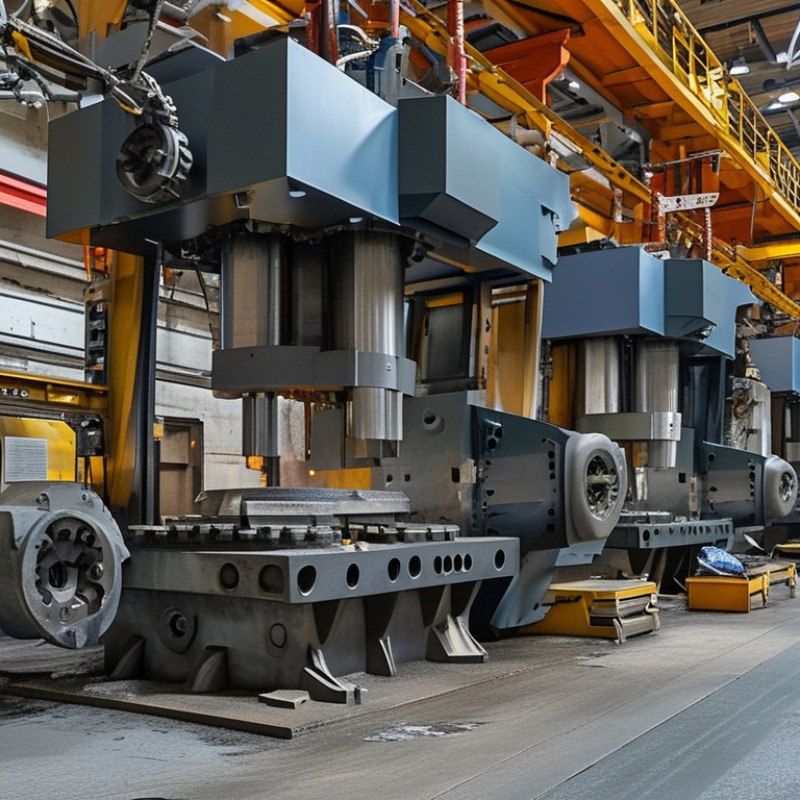
Die casting is a crucial process in modern manufacturing. It involves forcing molten metal into a mold to create precise parts. This method is used widely in industries such as automotive, aerospace, and electronics. Die casting offers a unique advantage: it creates complex shapes with high accuracy. The final products are often strong and lightweight, meeting specific engineering requirements.
However, die casting is not without challenges. The process requires expertise and precise control over temperature and pressure. Inconsistent material properties can lead to defects, affecting the final product's performance. Furthermore, not all metals are suitable for die casting, limiting its application. Manufacturers must carefully evaluate these factors when choosing die casting for their production needs.
The importance of die casting in manufacturing cannot be overstated. It enables rapid production and reduces waste. The process supports design flexibility, allowing for innovations in product development. Yet, companies must invest in skilled professionals and modern technology to fully realize its benefits. Balancing cost and quality remains a critical consideration in adopting die casting as a manufacturing solution.
Key Benefits of Using Die Casters for Production Efficiency
Die casting is a critical process in manufacturing. It provides several benefits that enhance production efficiency. According to the International Die Casting Association, die casting can produce intricate shapes with high precision. This accuracy often reaches tolerances of ±0.1 mm, which is essential for functional components. A study from the Metal Forming Institute highlights that about 80% of die casted parts meet strict industry standards without the need for further machining.
The speed of production is another key advantage. Die casting can achieve cycle times as low as 15 seconds for simple parts. This efficiency allows manufacturers to meet high consumer demand promptly. Additionally, die casting uses non-ferrous metals, which offers excellent corrosion resistance. This property often leads to longer product lifespans, reducing costs associated with replacements and repairs.
However, challenges exist in the die casting process. Tooling can be expensive and requires careful planning. Misalignment during setup can lead to defects, increasing waste. Manufacturers must continuously assess and refine techniques to maintain optimal production levels. Balancing efficiency with quality remains a complex task, but the advantages of die casting are substantial in a competitive market.
Comparison of Die Casting with Other Manufacturing Processes
Die casting stands out as a preferred method in manufacturing due to its unique advantages. This process pours molten metal into molds, producing highly complex shapes with excellent precision. Compared to other methods like injection molding, die casting typically yields a thinner wall design. This not only reduces weight but also enhances structural integrity. Precision and efficiency are crucial. That’s why many manufacturers opt for die casting.
However, each technique has its pros and cons. For instance, traditional machining requires more extensive finishing processes. It often leads to longer lead times and higher costs. In some applications, injection molding excels in producing high volumes of plastic parts. Yet, when metal parts are needed, die casting showcases its strength. It's worth noting that die casting requires significant upfront investment in tooling. This can be a barrier for smaller operations.
In the end, the right choice depends on specific needs. Assessing factors like volume, material, and detail is essential. A careful analysis helps in making a well-informed decision. Manufacturers need to reflect on their options. It's not simply about transitioning to die casting. Each production process has its distinctive challenges and benefits.
Factors to Consider When Choosing a Die Casting Partner
When selecting a die casting partner, several factors significantly influence your decision. Experience matters. An established manufacturer will have the knowledge to navigate complex projects. Look for companies that have worked with various industries and understand specific needs. This versatility is a great indicator of their expertise.
Quality assurance is another critical aspect. A reliable partner maintains strict quality controls throughout production. Check for certifications and past client feedback. Consider their capabilities in rapid prototyping and surface finish options. These details often reflect their commitment to excellence.
Pricing can be misleading. The lowest bid may compromise quality. Instead, evaluate the overall value, including support and communication. A responsive partner can resolve issues quickly, ensuring timelines are met. Additionally, consider their ability to scale production. As your needs change, your partner should adapt without a hitch.
Factors to Consider When Choosing a Die Casting Partner
The following chart illustrates the key factors to consider when selecting a die casting partner. The data reflects the importance of various criteria based on industry feedback.
Industry Applications of Die Casting Technology and Innovations
Die casting technology is transforming various industries. This method produces precise metal components quickly and efficiently. Its applications span automotive, aerospace, and electronics. In automotive manufacturing, die casting ensures that parts are lightweight yet sturdy. This leads to improved fuel efficiency and enhanced performance.
In aerospace, the need for strong materials is critical. Die casting meets this demand with high-strength aluminum alloys. These components can withstand extreme conditions, making them ideal for aircraft. Similarly, electronics benefit from die casting's ability to create complex shapes. This enhances product performance and reliability.
**Tips:** When selecting die casting for your project, consider the material properties required. Understanding thermal management can improve component lifespan. Always assess the supplier's experience and capabilities to ensure quality.
Narrow your focus on design and tolerances. Precision is key, but remember that even small errors can lead to issues later. Engage in dialogue with your engineering team. They can identify potential areas for improvement throughout the process.
Why Choose Die Casters for Your Manufacturing Needs? - Industry Applications of Die Casting Technology and Innovations
| Application Area |
Material Used |
Key Benefits |
Recent Innovations |
| Automotive Parts |
Aluminum, Zinc |
High strength, lightweight, complex geometries |
3D printing molds for rapid prototyping |
| Consumer Electronics |
Magnesium, Aluminum |
Aesthetic finishes, design flexibility |
Integration of smart cooling features |
| Industrial Equipment |
Zinc, Aluminum |
Durability, cost-effective mass production |
Advanced surface treatments for corrosion resistance |
| Aerospace Components |
Aluminum, Titanium |
Weight reduction, high performance |
Use of composite materials in die casting |
| Medical Devices |
Zinc, Aluminum |
Precision, biocompatibility |
Innovative designs for ease of sterilization |