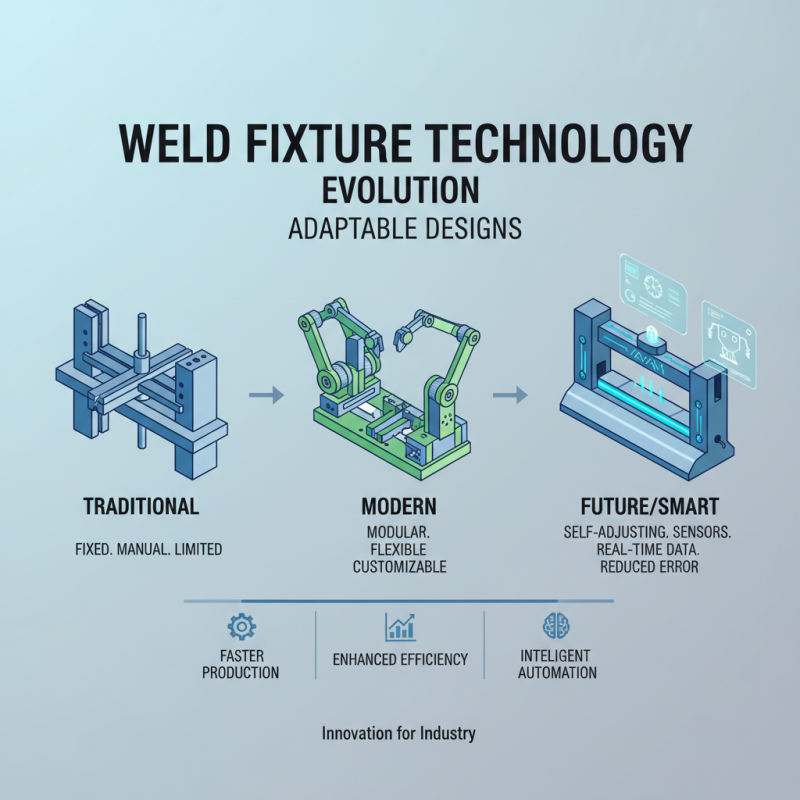
Why is Weld Fixture Tooling Essential for Precision Manufacturing?
The importance of Weld Fixture Tooling in precision manufacturing cannot be overstated. It plays a vital role in ensuring accuracy and reproducibility during the welding process. Each component must fit precisely together to form a reliable final product. This tooling acts as a guide, providing the necessary alignment for parts.
In many cases, manufacturers overlook the significance of proper tooling. Rushing through the setup can lead to errors, affecting the final outcome. For example, misaligned welds can weaken structural integrity. Additionally, inconsistent tool setups may degrade production quality over time.
Investing in high-quality Weld Fixture Tooling is essential. It promotes efficiency and reduces waste. A well-designed fixture can improve workflow and prevent costly mistakes. By prioritizing the fundamentals, manufacturers can uphold their standards and satisfy customer expectations. However, it is crucial to regularly inspect and maintain the tooling to ensure its effectiveness. Quality assurance should never be compromised.
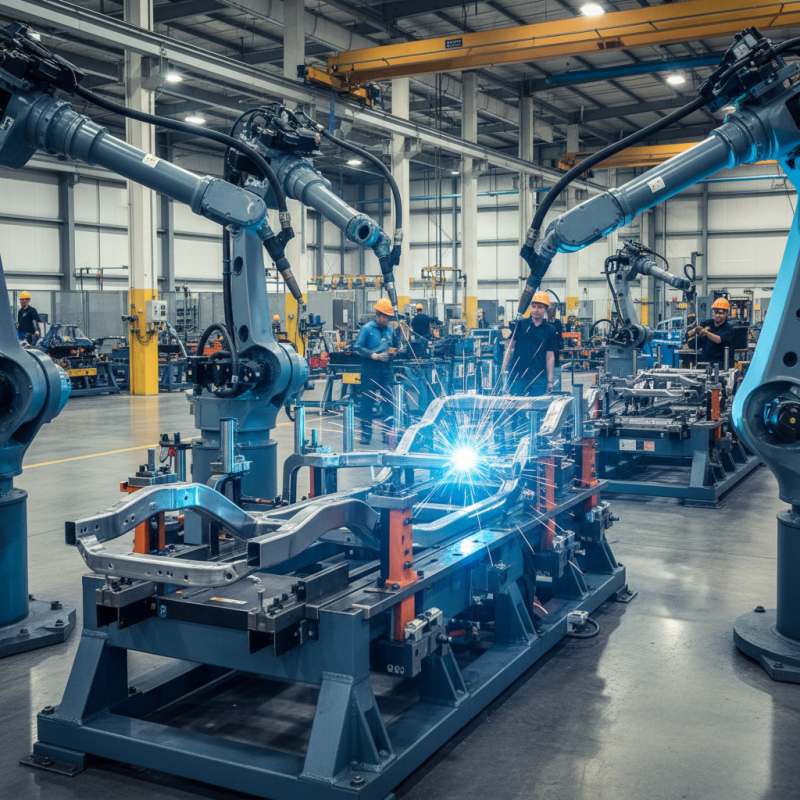
Importance of Weld Fixture Tooling in Precision Manufacturing
Weld fixture tooling plays a vital role in precision manufacturing. It ensures components are accurately held during the welding process. Without proper tooling, parts might shift or tilt. This can lead to inconsistent welds and defects in the final product. Every millimeter counts when precision is key.
Using effective weld fixtures can reduce human error. Operators often face challenges in maintaining consistent alignment. A well-designed fixture removes some of this burden. It can seem time-consuming to set everything up correctly. However, the long-term benefits, such as reduced rework and scrap, are significant.
Sometimes, despite best efforts, fixtures can become compromised. Wear and tear can lead to inaccuracies. Regular checks and maintenance are necessary. This ongoing process can feel tedious but is essential. Precision isn't a one-time achievement; it demands continuous reflection and adaptation. In precision manufacturing, efficiency and accuracy go hand in hand, and this is where weld fixtures shine.
Key Features of Effective Weld Fixture Tooling
Weld fixture tooling plays a crucial role in precision manufacturing. Effective tooling ensures consistent and accurate assembly of components. Strong fixtures create stability and reduce movement during the welding process. This stability directly contributes to the quality of the final product.
Key features of effective weld fixture tooling include adjustability and versatility. Adjustable fixtures allow for different component sizes, enhancing production flexibility. However, maintaining proper calibration can be a challenge.
Versatile tooling accommodates various welding techniques, yet it may require frequent updates to keep pace with changing technologies.
Another important aspect is durability. High-quality materials are essential for the long-term use of fixtures. Fixtures can incur wear and tear, impacting performance. Regular maintenance and inspection help address these issues but are often overlooked. Effective weld fixture tooling balances precision with practicality, inviting continuous improvement.
Impact of Weld Fixtures on Production Efficiency and Quality
Weld fixtures play a critical role in precision manufacturing. They hold components in place during welding, ensuring accurate alignment. The right fixture can significantly reduce errors. This is crucial for maintaining high production quality. Workers often face challenges in achieving consistency without adequate support tools. Small misalignments can lead to larger issues down the line.
The impact of weld fixtures on production efficiency is notable. With proper fixtures, production time decreases. Workers can focus on their tasks rather than adjusting parts constantly. An improperly designed fixture can slow down the process. This inefficiency can frustrate the team, leading to a loss of morale. Some fixtures may not last as long as expected, requiring frequent repairs.
Weld fixtures can also affect the quality of the final product. A stable fixture ensures even weld penetration. Inconsistent welds can create weak joints. Teams have experienced the repercussions of poor fixture design. It's vital to gather feedback and adapt designs. Continuous improvement is key in this area. Investing in better fittings can enhance both efficiency and quality.
Why is Weld Fixture Tooling Essential for Precision Manufacturing? - Impact of Weld Fixtures on Production Efficiency and Quality
| Dimension |
Impact on Production Efficiency |
Impact on Quality |
Notes |
| Alignment Accuracy |
Reduces rework time by 20% |
Improves joint integrity significantly |
Critical for complex geometries |
| Consistency |
Increases throughput by 15% |
Minimizes variations in weld quality |
Essential for high-volume production |
| Setup Time |
Lowers setup time by 25% |
Contributes to quicker changeovers |
Speeds up overall production process |
| Material Handling |
Improves handling efficiency by 30% |
Reduces risk of material damage |
Vital for fragile materials |
| Cost Effectiveness |
Reduces labor costs by 10% |
Enhances overall product reliability |
A key factor in competitive pricing |
Best Practices for Designing Weld Fixtures
Designing effective weld fixtures is crucial in precision manufacturing. They ensure parts are secured accurately during welding, leading to higher quality and easier assembly. According to industry reports, improper fixture design can result in a 15% increase in production errors. Companies cannot afford such mistakes.
When creating weld fixtures, consider the materials used. High-strength materials can withstand heat and stress. However, these materials often come with higher costs. Balancing cost and durability is a challenge. Pay attention to the fixture's layout. A well-thought-out design prevents distortion, ensuring components fit perfectly.
Tip: Use simulation software to test fixture designs before production. This helps catch potential issues early.
Incorporating adjustable elements can also enhance flexibility. This allows the fixture to accommodate various part sizes, but it can complicate the design process. Remember, manual adjustments can lead to inconsistencies. Regular reviews and updates to the designs based on feedback are essential. Continuous improvement should be a part of your approach to weld fixture design.