2026 How to Use a Comprehensive Checking Fixture for Accurate Assessments?
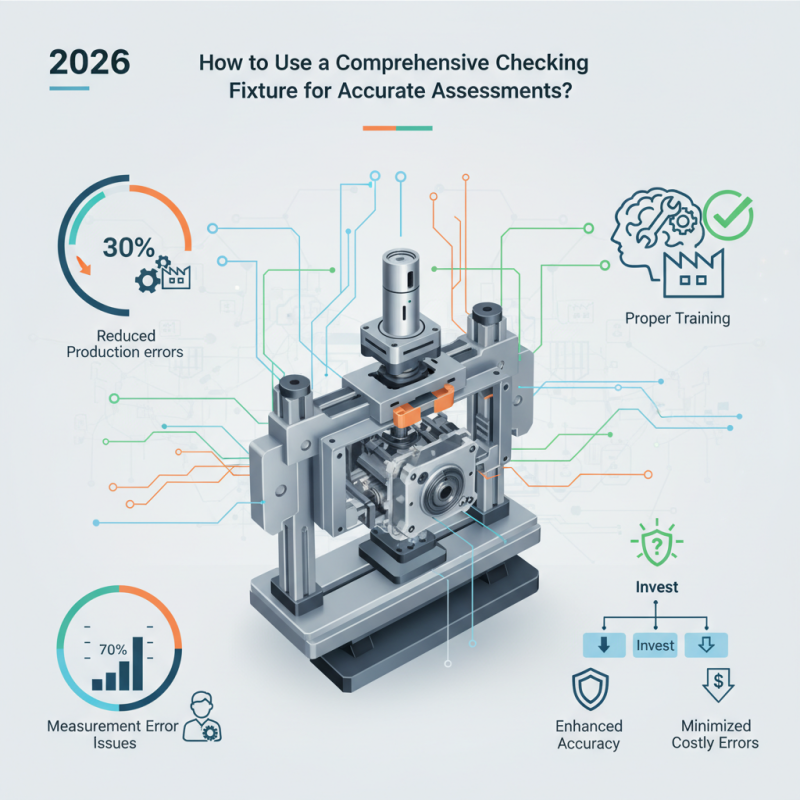
In today's manufacturing landscape, precision is paramount. The accuracy of assessments directly impacts product quality and operational efficiency. A Comprehensive Checking Fixture (CCF) serves as an essential tool in achieving this precision. According to a report by the National Institute of Standards and Technology (NIST), implementing advanced measurement systems can reduce production errors by up to 30%. This highlights the importance of accurate assessments in maintaining competitive advantages.
However, not all CCFs are created equal. It's vital to select a fixture that aligns with specific manufacturing needs. A key statistic from the American Society for Quality indicates that 70% of manufacturers experience issues related to measurement errors. This underscores the necessity of effective checking fixtures. A well-implemented CCF can eliminate such discrepancies, but many firms still struggle with integration.
Relying solely on technology without proper training may lead to less optimal outcomes. Understandably, the implementation process can be daunting. Yet, recognizing the flaws and limitations of current practices often leads to better decision-making. By investing in the right Comprehensive Checking Fixture, manufacturers can enhance their production accuracy and minimize costly errors.
Understanding the Purpose of a Comprehensive Checking Fixture
A comprehensive checking fixture plays a vital role in precision assessments. It ensures that each component is measured accurately during production. This tool is designed to accommodate specific parts while providing a consistent reference point. The precision of this fixture influences the overall quality of the final product.
Using this fixture properly requires a good understanding of its capabilities. Operators must be trained to identify possible errors in alignment. Regular checks can reveal deviations that could compromise accuracy. It's essential to record these findings. Monitoring trends helps identify when adjustments are needed. However, oversight can happen. Ensuring all team members are engaged in this process reduces risk.
Incorporating a comprehensive checking fixture enhances workflow efficiency. It minimizes time spent on rework due to inaccuracies. Sometimes, the fixture may not fit well with new designs, prompting a need for modifications. Adapting to changes is crucial for long-term success. Reflecting on past assessments can illuminate areas for improvement. Evaluate successes and failures to foster a culture of continuous quality enhancement.
Key Components of a Comprehensive Checking Fixture
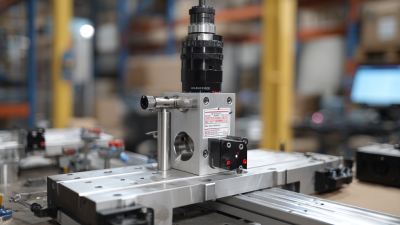
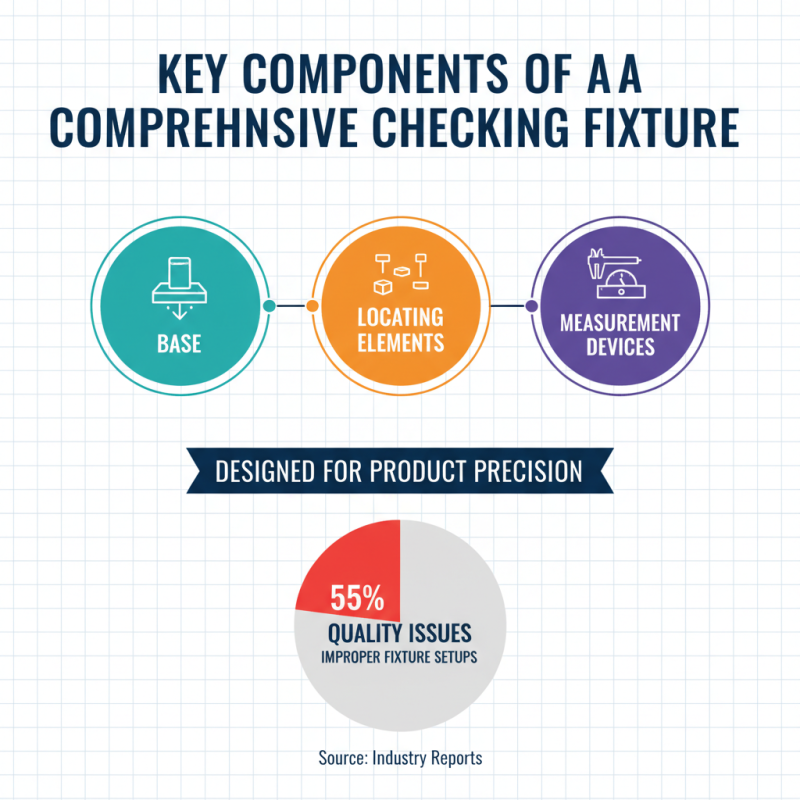
In the world of manufacturing, a comprehensive checking fixture plays a crucial role in ensuring accuracy. Key components of such a fixture include the base, locating elements, and measurement devices. Each part must be designed precisely to fit the product being assessed. According to industry reports, 55% of quality issues stem from improper fixture setups.
The base serves as a stable foundation. It supports the entire checking system. Locating elements position the workpiece accurately. This minimizes errors during the assessment. Measurement devices, like dial indicators, provide reliable readings. They help identify deviations in real time, ensuring product consistency.
Tips: Always ensure your fixtures are calibrated regularly. This minimizes the risk of overlooking subtle defects. Document all measurements for future reference. A lack of proper documentation can lead to repeated errors. Regularly review your processes to identify areas for improvement. Even small adjustments can lead to significant accuracy enhancements in assessments.
Step-by-Step Guide to Setting Up the Fixture for Accurate Assessments
Setting up a comprehensive checking fixture requires careful planning and execution. Begin by reviewing the specifications of the component to be tested. Accurate measurements are critical; a small deviation can lead to significant errors down the line. Industry studies reveal that 75% of quality issues stem from inadequate measurement systems, underscoring the fixture's importance in your process.
Next, ensure that your fixture is properly calibrated. Use calibration tools that meet industry standards. Calibration should be done regularly to maintain accuracy. Data shows that uncalibrated equipment can lead to 20% more defects in production. This is a substantial risk that can negatively affect product reliability and customer satisfaction. A well-maintained fixture contributes to a 30% increase in overall efficiency, according to recent reports.
Finally, involve experienced personnel in the setup process. Their insights can help identify potential pitfalls. Many users overlook the need for operator training, which can compromise accuracy. A fixture is only as reliable as the team operating it. Creating a checklist for the setup can enhance adherence to procedures and minimize errors. Remember, it’s the small details that can lead to big improvements.
Best Practices for Conducting Assessments with the Fixture
When using a comprehensive checking fixture, proper techniques are crucial for accuracy. Start by ensuring the fixture is correctly calibrated before any assessment. Regular checks on its alignment will help identify discrepancies early. Clear visual markers can guide operators during the measurement process. This minimizes human error and encourages consistency.
Operator training is vital. Educate team members on the nuances of the fixture and its setup. They should be aware of the common pitfalls. This understanding can prevent avoidable mistakes during assessments. Documenting previous assessments also serves a purpose. It creates a reference for what worked and what didn’t, fostering a culture of continuous improvement.
Environment matters. Keep the assessment area clean and well-lit. This reduces distractions and facilitates focus on the task at hand. Consider temperature fluctuations, as they may affect measurements. Reviewing every aspect of the assessment process helps build a reliable framework. Regular reflection on procedures ensures that improvements are always in motion.
Common Mistakes to Avoid When Using a Checking Fixture
Using a checking fixture offers precision for assessments. However, common mistakes can compromise accuracy. One prevalent error is not aligning the parts correctly. Misalignment can result in measurement discrepancies. Always ensure that the components are securely positioned. This step cannot be overlooked.
Another mistake is neglecting to inspect the fixture itself. Wear and tear can affect the performance of the checking fixture. Regular maintenance and calibration are essential for reliable results. A thorough check-up of your fixture before use makes a significant difference.
Tips for success: Always double-check the alignment. Before beginning, take a moment to inspect the fixture. Carefully review the setup process; details matter. Keeping notes about previous assessments helps identify repetitive errors. Checklists can prevent overlooking crucial steps. Remember, accuracy demands attention to detail.
2026 How to Use a Comprehensive Checking Fixture for Accurate Assessments? - Common Mistakes to Avoid When Using a Checking Fixture
| Mistake Category |
Description |
Impact Level (1-5) |
Common Cause |
| Misalignment |
Fixture is not properly aligned with the part being assessed. |
4 |
Inaccurate setup procedures. |
| Inadequate Calibration |
Checking fixture lacks proper calibration, leading to incorrect measurements. |
5 |
Failure to follow calibration schedule. |
| Neglecting Environmental Factors |
Ignoring temperature and humidity effects on measurements. |
3 |
Poorly controlled workspace. |
| Rushing the Process |
Operators rush through assessment, resulting in errors. |
4 |
Pressure to meet deadlines. |
| Improper Tool Usage |
Using incorrect tools or measurement devices for assessments. |
5 |
Lack of training on tools. |