65337ed57a

Leave Your Message

Why Choose Prototype Aluminum Casting for Your Next Project?

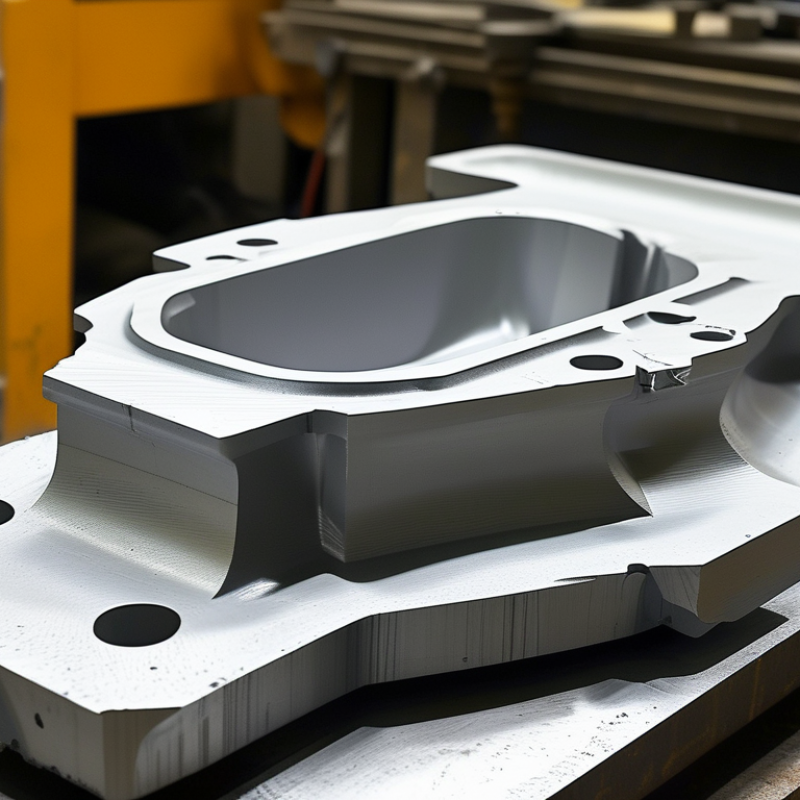
Choosing the right prototype method can shape an aluminum part long before production begins. Prototype Aluminum Casting offers a practical path from digital design to a tangible, testable component. It helps engineers examine wall thickness, cooling behavior, surface finish, and assembly fit. You can hold the part, measure it, and spot problems that screens often hide.

Casting metallurgist John Campbell, author of Complete Casting Handbook, wrote, “Castings are made in the liquid state, but their quality is determined in the solid state.” His observation explains why process control matters. Alloy selection, mold design, pouring temperature, and solidification all influence the final result. Experienced foundries monitor these details instead of treating a prototype as a simple sample.

Prototype Aluminum Casting can also shorten design feedback when tooling requirements remain manageable. It supports functional testing with realistic aluminum properties. That makes it valuable for housings, brackets, impellers, automotive components, and industrial equipment. Still, it is not a magic shortcut. Poor gating, rushed inspection, or an unsuitable alloy can produce misleading results.

The method has limits. Extremely complex geometries may need additive manufacturing or CNC machining first. Small production runs may also change the cost calculation. A responsible decision compares lead time, geometry, quantity, tolerances, and testing goals. The best choice is rarely based on speed alone. It comes from evidence, careful review, and a willingness to revise the design when the first casting reveals an uncomfortable truth.
Why Choose Prototype Aluminum Casting for Your Next Project?

What Prototype Aluminum Casting Is and How It Works

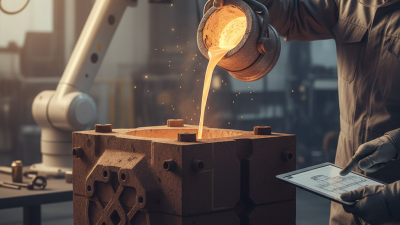
Prototype aluminum casting creates early metal parts for testing before full-scale production. It combines a temporary pattern with a mold and molten aluminum. The method suits housings, brackets, covers, and other shaped components.

The process starts with a three-dimensional design and a pattern, often made from resin, wood, or another workable material. Technicians build a mold around that pattern, then remove it to form the cavity. Molten aluminum enters the cavity through controlled gates and channels. After cooling, workers open the mold, remove the casting, and trim excess metal. Small details matter.

A practical workflow includes visual inspection, dimensional measurement, and basic functional testing. Engineers may check wall thickness, holes, flatness, and fit against nearby parts. Early castings can reveal problems that a screen model hides, such as trapped air, uneven cooling, or weak corners. Not every first casting is usable. That is normal, but it still costs time and material. Adjusting the pattern, feed system, or cooling approach can improve the next attempt. Prototype casting also supports changes without committing to expensive production tooling. However, surface texture may differ from a final manufacturing process, so test results need careful interpretation. A prototype can fit correctly and still need design refinement before production.
Why Choose Prototype Aluminum Casting?

What prototype aluminum casting is and how it works

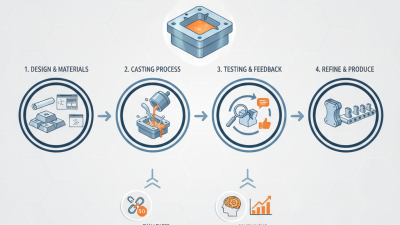
Prototype aluminum casting converts a 3D design into a physical metal part by creating a mold, melting aluminum, pouring it into the mold, and finishing the solidified casting. The representative workflow above totals approximately nine calendar days, with the exact schedule depending on part size, mold method, alloy, heat treatment, machining, and inspection requirements.

Typical planning values for a small-to-medium prototype part; actual production timing varies by project.

Key Benefits of Aluminum Casting for Prototype Development

Prototype aluminum casting gives engineering teams a practical way to test real parts before committing to full production tooling. Aluminum offers low density, useful stiffness, and strong heat-transfer performance. These properties help teams evaluate housings, brackets, manifolds, and thermal components under realistic conditions. The International Aluminium Institute reports that recycled aluminum production can use about 95% less energy than primary production. That difference can support lower-impact prototype programs, especially when clean scrap returns to the material cycle.

Speed matters.

Casting also reveals problems that digital models may hide. Thin walls can distort, draft angles may fail, and trapped air can weaken a critical section. A prototype exposes these issues while design changes remain manageable. The 2024 Wohlers Report valued the global additive manufacturing market at approximately 20 billion dollars in 2023, showing strong demand for faster development methods. Yet printed samples cannot always reproduce the density, thermal response, or machining behavior of cast aluminum. Prototype casting can provide more relevant evidence for functional testing.

There is no perfect route. Complex geometry may require temporary tooling, and poor gating design can create costly defects. Experienced foundries reduce these risks through simulation, sample inspection, dimensional checks, and controlled heat treatment. Engineers should also test several parts, not just one successful sample. A single casting may hide variation. Using inspection data, production feedback, and applicable ASTM methods makes the prototype decision more reliable.

Why Choose Prototype Aluminum Casting for Your Next Project? - Key Benefits of Aluminum Casting for Prototype Development

Evaluation Dimension Prototype Aluminum Casting Why It Matters During Development Typical Considerations
Material Representation Uses aluminum alloys with production-relevant mechanical and thermal behavior Helps validate strength, stiffness, heat dissipation, weight, and assembly fit more realistically Alloy selection should match the intended service environment
Prototype Quantity Well suited to small batches and early production trials Supports functional testing before committing to high-volume tooling The economical quantity depends on part geometry, tooling method, and finishing requirements
Weight Efficiency Aluminum density is approximately 2.7 g/cm³, considerably lower than steel at about 7.8 g/cm³ Allows lightweight housings, brackets, covers, and structural components to be evaluated early Actual weight depends on wall thickness, cavities, ribs, and alloy
Thermal Performance Aluminum alloys generally provide substantially higher thermal conductivity than common steels Enables meaningful evaluation of heat spreading and cooling behavior in suitable applications Conductivity varies by alloy, temper, casting quality, and final geometry
Design Validation Can reproduce complex features such as ribs, bosses, curved surfaces, and internal cavities Reveals interference, filling issues, assembly problems, and potential stress points before production Draft angles, wall transitions, fillets, and feeding requirements should be considered during design
Dimensional Accuracy Provides cast dimensions that can be assessed before final production tooling Helps identify shrinkage, distortion, machining allowances, and tolerance risks early Tolerances depend on the casting process, part size, geometry, and inspection method
Surface Finishing Can be machined, polished, painted, powder coated, or anodized when compatible with the alloy and surface condition Allows appearance, corrosion resistance, grip, and coating compatibility to be reviewed on representative parts Porosity and casting surface condition may affect cosmetic finishing results
Corrosion Resistance Aluminum naturally forms a thin oxide layer that provides basic protection in many environments Supports early assessment of material suitability for indoor, outdoor, and humid applications Salt exposure, galvanic contact, chemicals, and coating selection must be evaluated separately
Manufacturing Learning Provides practical feedback on mold design, metal flow, solidification, vents, feeders, and machining allowances Reduces the risk of repeating design or process problems during scale-up Process simulation and inspection can further improve development decisions
Cost Control Can reduce the need for full production tooling during early design iterations Makes it easier to test design changes before larger investments are made Total cost includes pattern or mold preparation, casting, finishing, machining, inspection, and iteration count
Best-Fit Applications Automotive components, industrial housings, heat-management parts, hardware, enclosures, and consumer product structures Useful when the prototype must represent a cast aluminum production concept rather than only its external shape Confirm load, temperature, pressure, safety, and regulatory requirements before final approval

Note: Performance, cost, accuracy, and lead time vary according to alloy, casting process, part geometry, tooling approach, heat treatment, machining, and inspection requirements.

How to Choose the Right Prototype Casting Method

Choosing prototype aluminum casting starts with the part’s purpose, not the casting label. A housing for functional testing may need different treatment from a cosmetic mock-up. Review the required strength, wall thickness, internal cavities, surface finish, and expected quantity. Sand casting often suits larger shapes and low volumes. Investment casting can reproduce finer details. Permanent mold casting may offer better repeatability when several samples are needed.

Tooling cost and delivery time also matter. Ask whether the pattern can be changed easily after testing. This matters because prototype drawings often change after the first assembly. An early method may seem efficient, but it can create expensive revisions later. I have seen teams focus on unit price and overlook machining, finishing, inspection, and scrap. The cheapest quote is not always the lowest project cost. Prototype aluminum casting should also include alloy selection, dimensional tolerances, and inspection requirements. Discuss these details with a qualified foundry before approving the process.

Tips: Compare at least two casting methods using the same part data. Request sample tolerances and surface-finish ranges. Check how the supplier handles porosity inspection and design changes. Keep a small allowance for machining. Real projects rarely follow the first plan exactly.

Design and Material Factors That Affect Casting Results

Why Choose Prototype Aluminum Casting for Your Next Project?

Prototype aluminum casting succeeds when design and material choices work together. Wall thickness, draft angles, fillets, and gate locations all influence filling and cooling. Thin sections may freeze early. Sharp corners can create stress concentration and hot spots. A 3D model alone cannot reveal every casting risk.

Tips: Keep wall thickness as uniform as possible. Add generous fillets. Allow draft on pull surfaces. Place gates near heavier sections. Discuss machining allowances before pattern preparation.

Material selection also changes the result. Aluminum-silicon alloys usually provide good fluidity and practical casting performance. Higher silicon content can improve filling, but it may reduce some mechanical properties. Heat treatment can increase strength, yet it may introduce distortion. This trade-off deserves testing. A prototype should expose weaknesses, not hide them.

The U.S. Department of Energy reports that recycled aluminum uses about 95% less energy than primary aluminum production. That supports using verified recycled content when performance requirements allow. However, recycled feedstock needs controlled chemistry and cleanliness. The International Aluminium Institute emphasizes efficient recycling and material circularity across aluminum production. In practice, engineers should record alloy composition, melt temperature, porosity, and dimensional change. Small trial castings often reveal more than confident assumptions.

Typical Applications, Costs, and Project Considerations

Prototype aluminum casting suits projects needing realistic metal parts before production tooling is approved. Typical applications include pump housings, brackets, motor covers, manifolds, and vehicle components. Cast aluminum offers useful stiffness, corrosion resistance, and heat dissipation. It also reveals practical issues that a plastic mock-up can hide.

Costs depend heavily on pattern design, alloy, casting method, machining, and inspection. A simple sand-cast prototype may cost roughly $1,500 to $8,000, while complex tooling and post-machining can raise the price substantially. My estimate is deliberately broad. Low quantities rarely justify permanent die tooling. A temporary pattern usually makes more financial sense. The U.S. Department of Energy’s Aluminum Industry Roadmap reports that recycled aluminum requires about 5% of the energy used for primary production, supporting material reuse when scrap is controlled. That can improve both project economics and environmental performance.

Project teams should define wall thickness, draft angles, machining allowances, and dimensional tolerances before requesting quotes. ISO 8062 casting standards help clarify expected accuracy and inspection requirements. The U.S. Geological Survey’s Mineral Commodity Summaries 2024 reported global primary aluminum production near 70 million metric tons in 2023, indicating strong material availability. Still, availability does not guarantee the right alloy or local capacity. Prototype casting is not flawless. Porosity, distortion, and surface variation may appear, especially in thin sections. X-ray inspection, pressure testing, or sectioning may be necessary for critical parts.