How to Measure Fixtures for Accurate Sourcing?
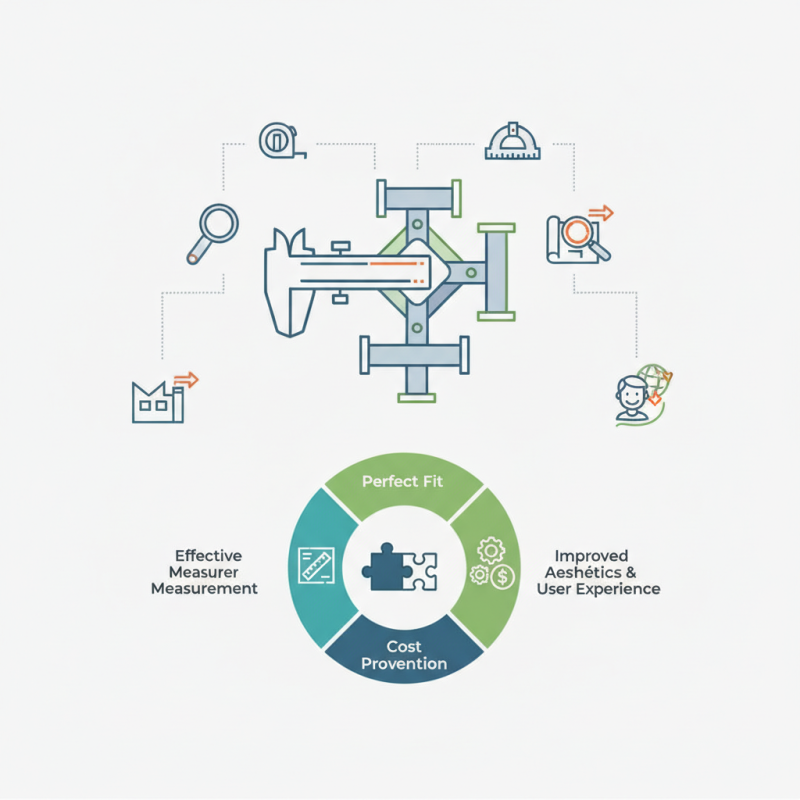
Accurate sourcing begins with effective Measuring Fixtures. This process ensures that products fit perfectly in their intended spaces. The right measurements can prevent costly mistakes during manufacturing and installation.
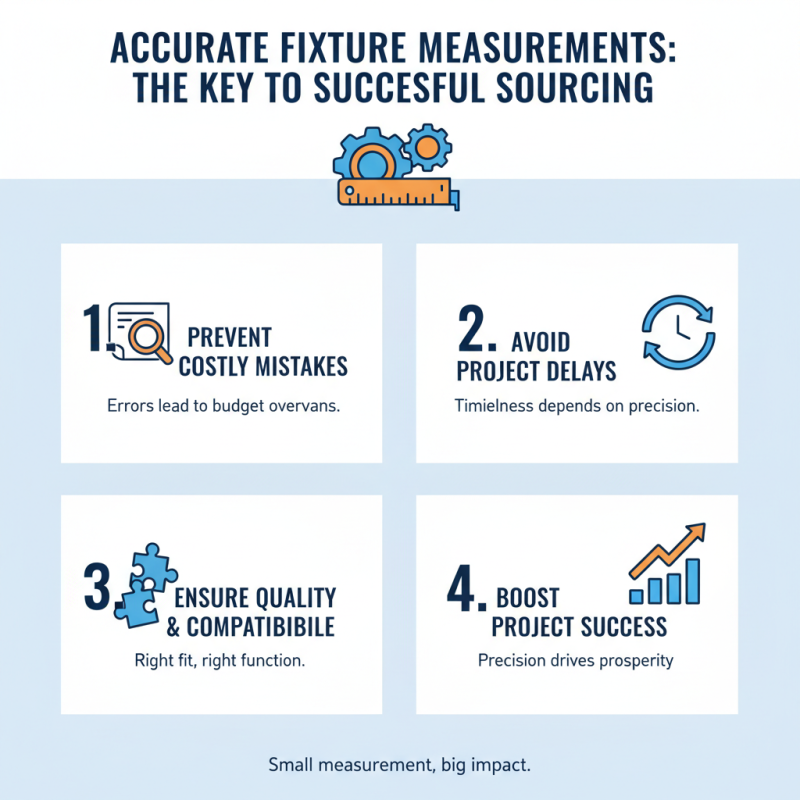
Understanding how to measure fixtures is crucial. Accurate measurements contribute to better project outcomes. When dimensions are off, it can lead to delays and increased expenses. A slight error can cause significant issues in design and functionality.
Moreover, it’s often underestimated how precise measurements can affect aesthetics. Poorly measured fixtures may not only disrupt flow but also impact user experience. So, recognizing the importance of Measuring Fixtures becomes essential for professionals in the field. Reflecting on our methods can lead to improvements in sourcing practices. Attention to detail is paramount.
Understanding the Importance of Accurate Fixture Measurements
Accurate fixture measurements are vital for successful sourcing. When fixtures aren't measured correctly, costly mistakes occur. These errors can lead to delays and increased expenses. A small misunderstanding in measurements can derail an entire project. Quality and compatibility depend heavily on precision.
Poor measurements can lead to mismatched fixtures that don't fit. This issue often triggers chaos in installation. Contractors face challenges when adjustments are needed last minute. The right tools are essential for measuring. Laser distance meters can enhance accuracy, minimizing human error. However, not everyone uses the best tools.
Take time to verify your measurements. Checking and rechecking can save headaches down the road. Guidelines should be clear, but even seasoned professionals make mistakes. A height might be misread, or a width can be overlooked. Therefore, maintaining vigilance in this process is crucial for success.
Identifying the Right Tools for Measuring Fixtures
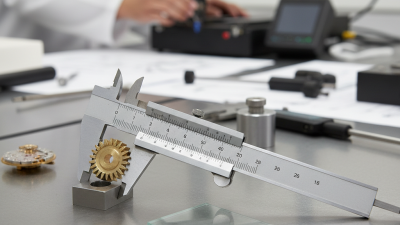
When measuring fixtures, selecting the right tools is crucial for accuracy. A tape measure is a fundamental tool. It allows you to check lengths and widths easily. For more complex measurements, a caliper is essential. It can measure inner and outer dimensions with precision.
Consider the space around your fixture too. Use a level to ensure your fixture aligns correctly. Improper alignment affects functionality and aesthetics. Check how the fixture interacts with other elements in your space.
**Tips:** Always double-check your measurements. Mistakes can lead to wasted materials. When using a measuring tape, keep it taut for accuracy. Break measurements into sections for large fixtures. This helps avoid confusion. Each tool serves a purpose, and having the right one matters.
How to Measure Fixtures for Accurate Sourcing? - Identifying the Right Tools for Measuring Fixtures
| Measurement Tool |
Purpose |
Accuracy |
Recommended Use |
| Tape Measure |
Basic measurement of length and width |
±1/16 inch |
General use for flat surfaces |
| Digital Caliper |
Precise internal and external measurements |
±0.01 mm |
Detailing and woodworking |
| Laser Distance Measurer |
Quick distance measurements over long ranges |
±1/16 inch |
Large spaces and outdoor measurements |
| Spirit Level |
Check for vertical and horizontal alignment |
N/A |
Installation of shelves and fixtures |
| Protractor |
Measure angles |
±1 degree |
Carpentry and construction projects |
Step-by-Step Guide to Measuring Different Types of Fixtures
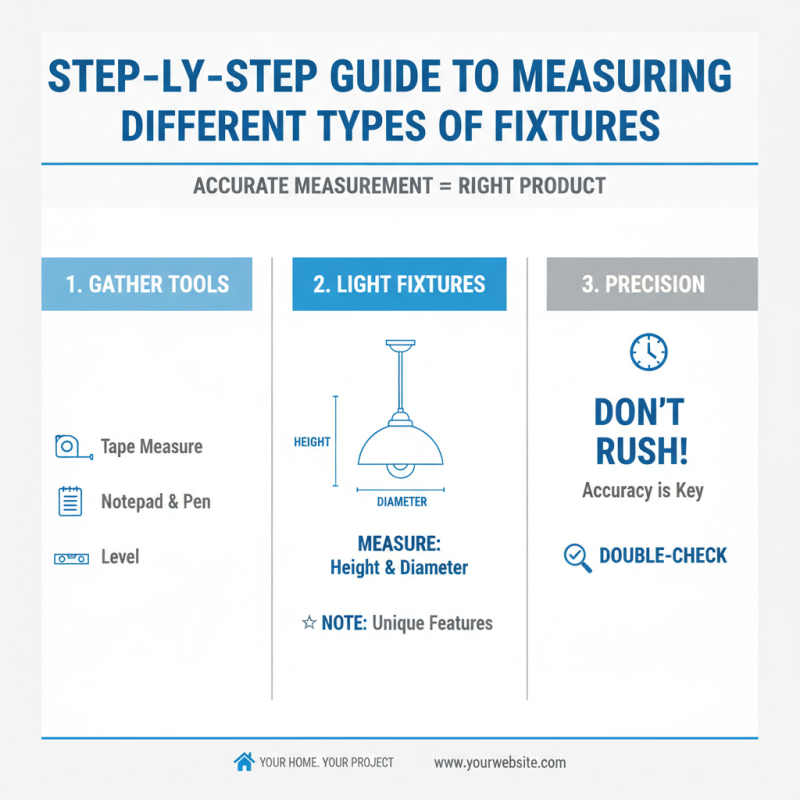
Measuring fixtures accurately is crucial for sourcing the right products. This process can seem daunting, but breaking it down into steps makes it manageable. Start by gathering basic tools like a tape measure, a notepad, and a level. For light fixtures, measure both height and diameter, noting any unique features. Don’t rush this step; precision matters.
For plumbing fixtures, focus on pipe sizes and spacing. Record the distance between hot and cold pipes. If you encounter irregular shapes, sketch them. This visual aid can clarify your dimensions.
**Tip:** Always double-check your measurements. A small error can lead to costly mistakes later.
When measuring furniture fixtures, look at both width and height. Consider placement as this affects usability. Be aware of your room's dimensions. Keeping boundaries in mind prevents unexpected surprises.
**Tip:** Seeking help can provide fresh perspectives on measurements. It’s easy to overlook details when you feel rushed.
Common Mistakes to Avoid When Measuring Fixtures
Measuring fixtures accurately is critical in sourcing. However, several common mistakes can lead to significant errors. One major issue is overlooking the need for precise alignment. Many professionals measure fixtures without ensuring they are properly aligned, resulting in inaccurate dimensions. According to a study by the National Institute of Standards and Technology, misalignment can introduce measurement errors exceeding 20%.
Furthermore, neglecting the impact of environmental factors can skew measurements. Humidity and temperature fluctuations can cause materials to expand or contract. Not accounting for these variables may lead to miscalculations. In fact, industry reports indicate that 15% of sourcing failures stem from poor measurement practices influenced by environmental conditions.
Some people also forget to measure the fixtures in multiple dimensions. Relying on a single measurement can produce misleading results. Effective sourcing requires considering height, width, and depth. Ignoring this complexity often results in costly mistakes. Taking time to develop a thorough measuring process can mitigate these issues.
Organizing and Documenting Fixture Measurements for Sourcing
Accurate fixture measurements are crucial for effective sourcing. Organizing these measurements can greatly impact the sourcing process. A recent industry report highlighted that 72% of sourcing inaccuracies stem from poor measurement documentation. This statistic underscores the importance of meticulous record-keeping.
When measuring fixtures, consider using a standardized measurement template. This can help ensure consistency. For instance, track dimensions like height, width, and depth. Visual aids, such as photos or diagrams, can enhance understanding. Ensure all measurements are recorded in a central database. This method can prevent discrepancies later in the sourcing process.
Additionally, include notes on any potential issues. For example, if a fixture shows signs of wear, document this condition. Such details are essential for suppliers. However, mistakes will happen. Regular reviews of measurement practices can help identify gaps. This iterative process fosters improvement and enhances overall sourcing reliability. Establish a culture that values accurate and detailed documentation. This commitment can lead to better sourcing outcomes in the long run.
Measuring Fixtures for Accurate Sourcing
This chart displays the average measurements of different types of fixtures. Accurate measurements are crucial for sourcing and ensuring the compatibility of fixtures in various applications.