What is an Inspection Fixture and How Does It Work?
An Inspection Fixture plays a crucial role in manufacturing quality control. John Smith, a veteran in the industry, states, "The precision of an Inspection Fixture can make or break a product." These tools ensure products meet strict specifications. They hold workpieces in place during inspection, allowing for accurate measurements.
Inspection Fixtures are vital in various industries, from automotive to aerospace. They help identify defects early, reducing costly errors. However, the design of these fixtures is often overlooked. Some manufacturers invest little time in creating effective fixtures, leading to inconsistent results.
While an Inspection Fixture can enhance quality, it's not a cure-all. The effectiveness relies on proper use and maintenance. Users must remain vigilant about wear and tear. Ignoring these factors can diminish the fixture's reliability, leading to potential flaws in the final product. Thus, a thoughtful approach is essential in the design and application of Inspection Fixtures.
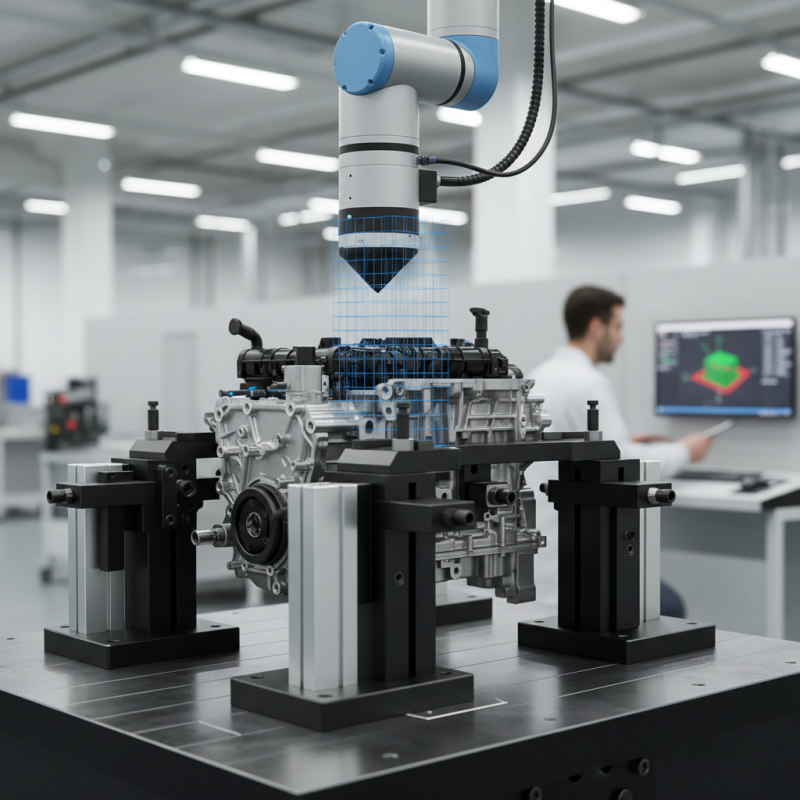
Definition and Purpose of Inspection Fixtures
Inspection fixtures play a crucial role in ensuring quality control during manufacturing processes. At their core, an inspection fixture is a tool designed to hold and support products during inspection. By securing the product in place, these fixtures allow for accurate measurements and assessments. They help identify defects or deviations from specified tolerances, thereby ensuring that only high-quality products reach the market.
The purpose of inspection fixtures extends beyond mere measurement. They enhance the efficiency of the inspection process. A well-designed fixture can reduce the time needed to inspect a product significantly. However, not all fixtures achieve this goal. Some may lack precision, leading to unreliable results. It's essential to continually evaluate and refine these tools. A poorly designed fixture can lead to frustration and wasted resources.
Additionally, the design of inspection fixtures often requires collaboration among various teams. Engineers, operators, and quality control personnel need to communicate effectively. This collaborative approach can uncover hidden challenges in the design process. Without continuous improvement and feedback, the fixtures may not serve their intended purpose fully. The effectiveness of inspection fixtures lies in their ability to adapt and evolve with changing manufacturing needs.
Key Components of an Inspection Fixture
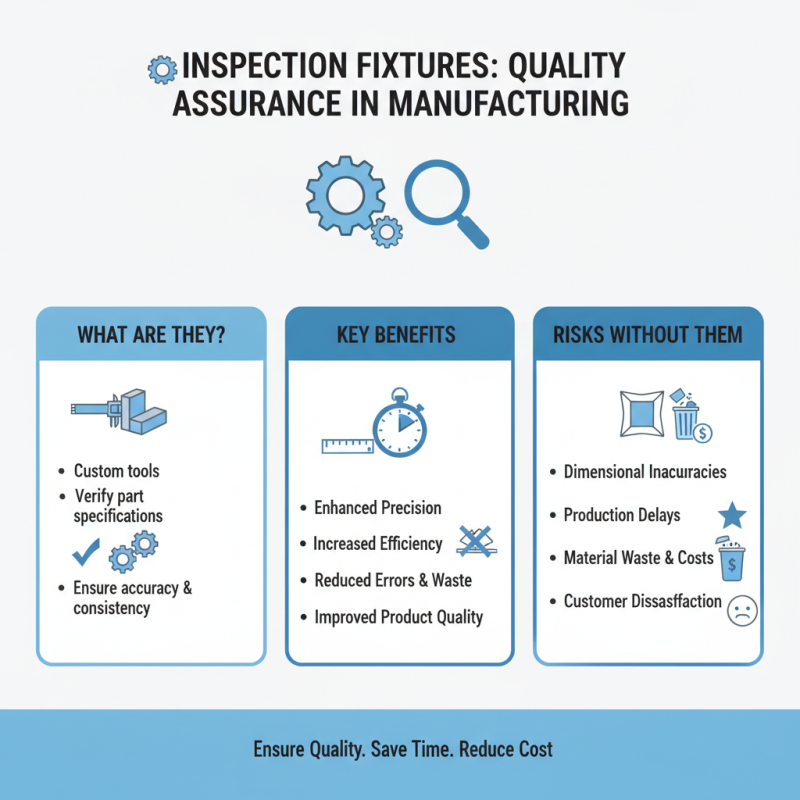
Inspection fixtures are essential tools in the manufacturing industry. They help verify that parts meet specifications. A well-designed fixture can enhance accuracy and efficiency. Without these tools, errors can arise, leading to waste and delays.
Key components of an inspection fixture include the base, locators, and supports. The base provides stability and a plane for measurement. Locators align the part securely, ensuring it doesn’t move during inspection. Supports hold the part in place while measurements are taken. Each component must work in harmony. Even a small misalignment can yield incorrect results, prompting quality issues.
Additionally, materials used in the fixture matter. They should withstand wear and offer durability. However, the complexity can sometimes lead to unforeseen challenges. It's vital to continually assess the fixture's design and functionality. Regular feedback from operators can help identify areas for improvement. An effective inspection fixture requires constant evaluation and adaptation.
How Inspection Fixtures Function in Quality Control
Inspection fixtures play a critical role in quality control processes across various industries. These tools help ensure that products meet specified tolerances and standards. Reports indicate that improper inspection can lead to defects that cost manufacturers up to 5% of their total revenue. This highlights the significance of accurate measuring systems.
In quality control, inspection fixtures provide a reliable means for checking dimensional accuracy. They allow operators to position parts consistently, reducing human error. It’s vital for these fixtures to be adjustable. Sometimes, they fail to accommodate all variations in part designs. It’s important to regularly review fixture designs to adapt to new products or changes in specifications.
Additionally, some inspection fixtures wear down over time. This can result in inaccurate readings. A study showed that about 15% of inspection errors stem from faulty fixtures. Addressing these issues requires ongoing training for operators. Combining high-quality fixtures with skilled personnel can significantly improve overall inspection accuracy. Quality control is not just about consistency; it’s also about constantly improving the processes involved.
What is an Inspection Fixture and How Does It Work?
| Dimension |
Description |
Purpose |
Common Materials |
| Size |
The physical dimensions of the fixture, which must match the parts being inspected. |
To ensure accurate placement and alignment of parts for inspections. |
Aluminum, Steel, Plastic |
| Type |
Varies from manual inspection fixtures to automated systems. |
To provide flexibility and efficiency in inspection processes. |
Custom Fabricated, Off-the-Shelf Components |
| Stability |
The ability of the fixture to securely hold the parts during inspection. |
To minimize movement and discrepancies in measurement results. |
Heavy Base Materials, Adjustable Components |
| Measurement Tools |
Incorporated gauges and sensors for precise measurements. |
To ensure accuracy in quality control and inspections. |
Calipers, Optical Sensors, Laser Measurement Devices |
Types of Inspection Fixtures and Their Applications
Inspection fixtures play a critical role in quality control across various industries. They hold parts securely for measurements and inspections. Different types of fixtures are designed for specific applications. Let's delve into a few common types and their uses.
One popular category is the dedicated fixture. These are tailored for specific components. They ensure precise alignment during inspections. However, they can be costly and may not adapt well to different parts. This can lead to wasted resources if production changes frequently.
Another type is the modular fixture. These offer flexibility by allowing adjustments. Users can modify the setup as needed. While this can be beneficial, the initial setup might be time-consuming. Furthermore, if not designed properly, they may lack the stability required for accurate measurements. Each type has its strengths and weaknesses, which should be considered based on specific inspection needs.
Benefits of Using Inspection Fixtures in Manufacturing Processes
Inspection fixtures play a crucial role in manufacturing. They enhance accuracy and efficiency. According to a report from the Automation Research Institute, about 70% of manufacturers report improved quality assurance through the use of these tools. This is significant in reducing rework costs.
By stabilizing and holding components, inspection fixtures allow for precise measurements. In many cases, fixtures can lower inspection time by up to 40%. However, not all manufacturers adopt them. Some hesitate due to initial costs. Others lack the knowledge needed for effective implementation.
While the benefits are clear, challenges remain. Customization for specific parts can be complex. Failure to adapt can lead to errors in production. Manufacturers must weigh these factors carefully. Continuous reflection on processes is essential for improvement. Overall, inspection fixtures can bring substantial gains in quality control, but only if integrated thoughtfully.
Benefits of Using Inspection Fixtures in Manufacturing Processes