How to Choose the Right Inspection Fixture for Your Project?
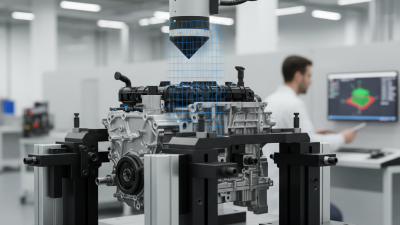
In the manufacturing sector, selecting the right Inspection Fixture is crucial. According to a report by Market Research Future, the inspection fixture market is projected to grow at a CAGR of 5.2% from 2021 to 2028. This growth is driven by increased demands for quality control and automation in various industries.
Expert John Smith, a veteran in inspection technologies, emphasized, "The right fixture not only enhances accuracy but also significantly speeds up production cycles." Choosing the appropriate Inspection Fixture involves understanding specific project needs. Factors such as part geometries, measurement precision, and environmental conditions play essential roles in this decision-making process.
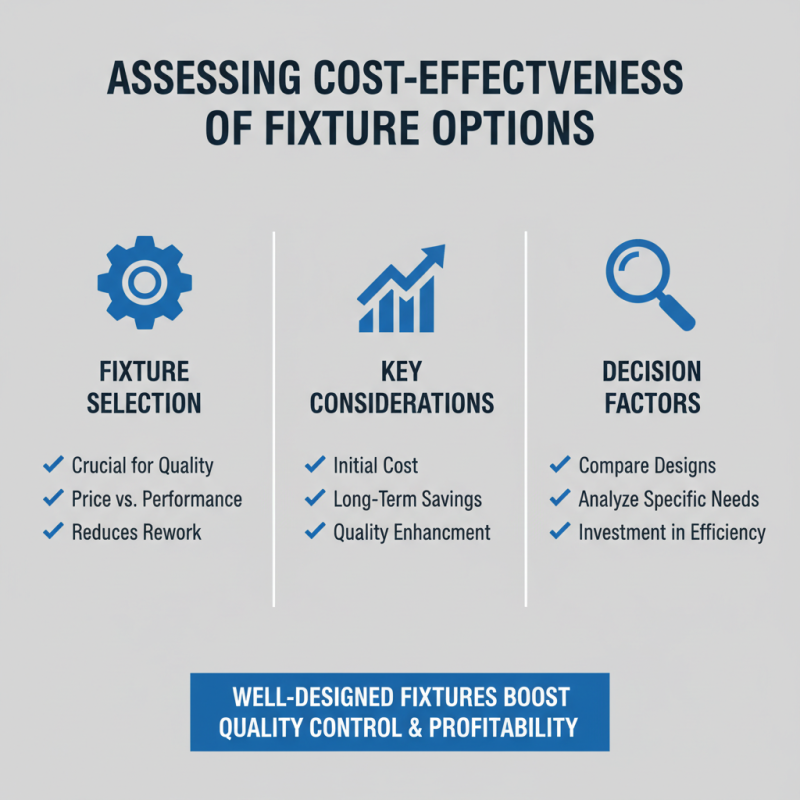
It is important to recognize that not all fixtures will meet every requirement. An inadequate choice can lead to production delays and increased costs. Thus, reflecting on past project outcomes can be beneficial. Ultimately, making an informed decision about Inspection Fixtures can impact your project's success significantly.
Understanding the Purpose of Inspection Fixtures in Projects
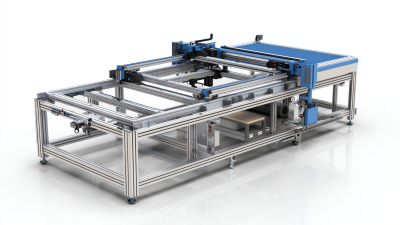
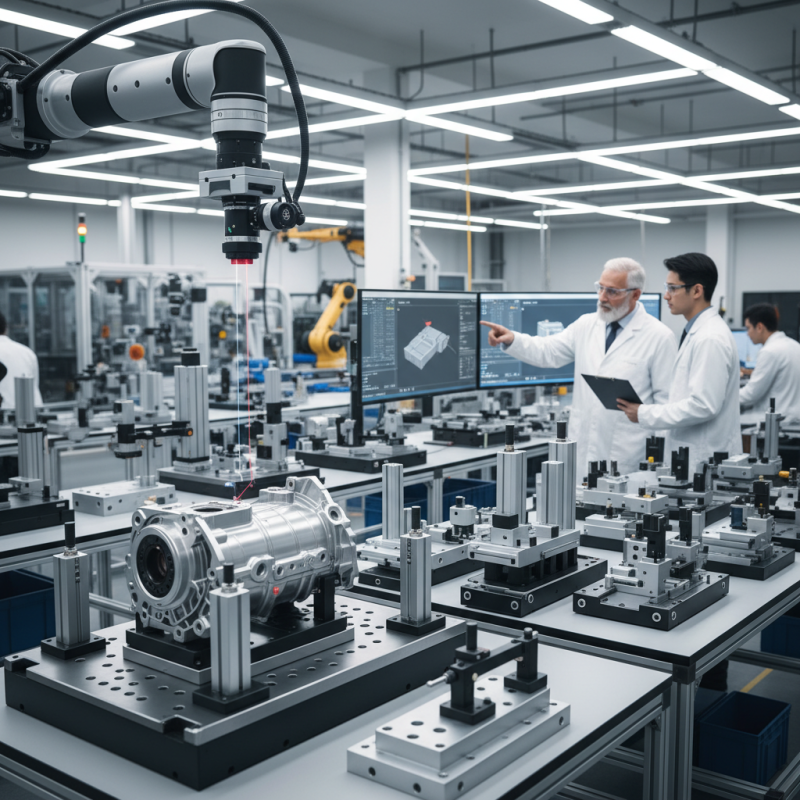
Inspection fixtures play a crucial role in ensuring the quality and accuracy of a project. They are designed to hold parts securely during measurement or assembly processes. This stability ensures that components are inspected under consistent conditions. A well-designed fixture helps to catch defects early and reduces the chances of errors later on.
Understanding the specific needs of your project is essential when selecting an inspection fixture. Consider the size, shape, and material of the parts involved. Each factor influences the design and functionality of the fixture. For instance, a lightweight part might require a different approach than a heavy-duty component. It is important to reflect on the potential challenges that may arise during the inspection process.
There’s no “one size fits all” solution in fixture design. Each project is unique. Sometimes, simple designs can be overlooked in favor of complex ones. This can lead to unnecessary costs. Regular assessments of existing inspection fixtures are paramount. They should evolve with your project’s needs to maintain efficiency and effectiveness in quality control.
Identifying the Key Factors for Selecting Inspection Fixtures
Choosing the right inspection fixture can significantly impact project outcomes. Understanding the project requirements is vital. Start by evaluating the dimensions and tolerances of the components being inspected. Ensure the fixture can accommodate these specifications without compromising accuracy.
Materials also play a crucial role. Durable materials reduce wear and tear, yet lightweight options enhance portability. A fixture’s design should facilitate easy adjustments. This flexibility can save time during inspections. However, overly complex designs may lead to confusion and errors. Striking a balance is essential for efficiency.
Consider the inspection method as well. Whether using manual tools or automated systems, compatibility is key. Inadequate alignment could result in faulty results. Regular reflections on your selection process can help improve future choices. Each project offers lessons. Embracing these insights cultivates better practices in the long run.
Evaluating Material Compatibility with Project Specifications
When selecting an inspection fixture, material compatibility is essential. Your chosen materials must withstand the conditions of your project. Consider exposure to chemicals, temperature variations, and physical stresses. These factors can impact the fixture's durability and accuracy.
Assessing material compatibility starts with understanding your project specifications. Identify any specific requirements that the material must meet. For example, it could involve resistance to corrosion or high heat tolerance. Do not overlook the use of incompatible materials that may lead to premature failure.
Tip: Always consult with experts or engineers for their insights on material selection. Their experience can guide you in avoiding common pitfalls.
Another key factor is the testing of materials. Perform compatibility tests when possible. Simple tests can reveal potential issues early. This will save you time and costs in the long run.
Tip: Keep a record of past projects and their material choices. Learn from previous errors. This reflective practice can help enhance your decision-making process.
Testing and Validation of Chosen Inspection Fixtures Before Use
When selecting inspection fixtures, testing and validation of your choices are crucial. Before putting any fixture into use, conduct thorough testing. This process ensures accuracy and reliability in measurements. Use various testing methods to check for precision and compliance with standards. Make adjustments based on findings, as initial designs might not always meet expectations.
Consider setting up a controlled environment for testing your fixtures. Variations in temperature and humidity can affect results. A uniform testing space helps in obtaining consistent data. Also, collect feedback from team members who operate the fixtures regularly. Their insights can reveal practical issues that you may overlook.
Here are some tips for effective validation:
1. Use prototypes for initial testing. They are cost-effective and can highlight design flaws early.
2. Document all results meticulously. This builds a database for future reference and ensures reliability.
Remember, a fixture that looks good on paper may falter in practical applications. Regular reviews can uncover hidden areas for improvement, ensuring your project maintains high standards. Pay attention to details and don’t skip any steps.
Inspection Fixture Testing Results