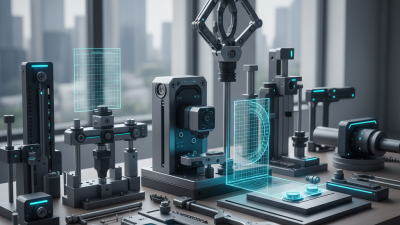
How to Choose the Right Part Fixture for Your Needs?
Choosing the right part fixture can significantly impact manufacturing efficiency. According to a report by the American Society for Quality, improper fixture design can lead to a 30% increase in production costs. Selecting the correct part fixture is not merely a technical choice; it is crucial for ensuring precision and quality in production.
Expert Chris Martin, a leading figure in the parts manufacturing industry, emphasizes, "The right fixture can make all the difference in a project's success." His insight reflects the importance of considering both material and design when choosing part fixtures. Many businesses underestimate their role in workflow optimization, potentially sacrificing quality for speed.
Understanding the nuances of part fixtures can be challenging. There are various factors to evaluate, including application, material compatibility, and manufacturing methods. This complexity often leads to oversight, highlighting the need for careful analysis. With equipment becoming increasingly sophisticated, the decision-making process around part fixtures must adapt.
Understanding the Purpose of Part Fixtures in Manufacturing
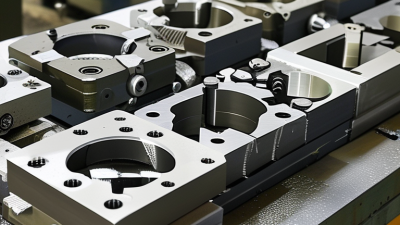
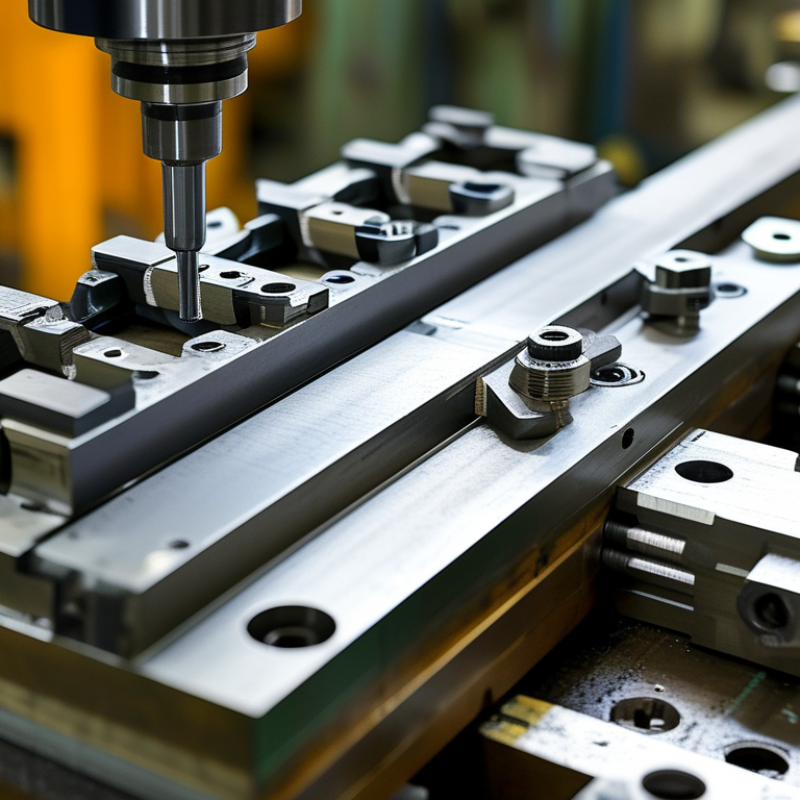
Understanding part fixtures is crucial in manufacturing. They serve as tools that stabilize workpieces during machining, assembly, or inspection. A good fixture improves precision and efficiency. When choosing a fixture, consider the part's geometry, size, and material. Each of these factors influences fixture design. Remember that not every fixture fits every task.
It is essential to evaluate your production process. Take time to analyze how different fixtures might affect your workflow. A poorly chosen fixture can lead to errors and increased costs. Sometimes, a custom fixture may be necessary, despite the higher initial investment.
When selecting a fixture, think about adjustability. Adjustable fixtures can save time and resources during setups. Additionally, durability is significant. A robust fixture can withstand wear and tear, maintaining accuracy over time. Lastly, always review feedback from machine operators. Their input can help identify potential issues before they arise.
Part Fixtures Selection in Manufacturing
Identifying Your Specific Requirements for Part Fixtures
When selecting a part fixture, understanding your specific requirements is crucial. Start by assessing the type of parts you'll be working with. The dimensions, weight, and material of the components are essential factors to consider. For instance, if you often work with delicate items, you might need a fixture that minimizes pressure on the part. Choosing the wrong fixture could lead to damage.
Next, think about the intended use. Are you focusing on assembly, inspection, or machining? Each application may call for different fixture designs. A fixture meant for drilling might require more stability compared to one used for visual inspection. It’s beneficial to visualize how the fixture interacts with your process. This reflection can help highlight any gaps in your current setup.
Lastly, consult with experienced colleagues or industry experts. Their insights can pinpoint common pitfalls. Assessing the feedback might reveal areas for improvement you haven't considered. If your fixture doesn’t perform as expected, don’t hesitate to reevaluate your choices. Adapting to feedback is a key part of achieving efficiency in your operations. Keep refining your approach, and remember that the perfect solution may take time to discover.
Evaluating Different Types of Part Fixtures Available
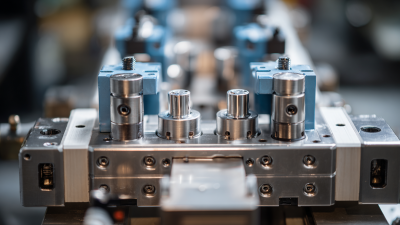
Choosing the right part fixture is crucial for efficiency in manufacturing processes. Different types of part fixtures serve various functions. For instance, modular fixtures offer flexibility. They can be adjusted for different components. This adaptability can reduce setup times significantly. Reports suggest that modular systems can decrease production lead times by up to 30%.
Conversely, dedicated fixtures provide high precision for specific tasks. They are designed for a particular part or process, ensuring repeatability. However, this specialization can limit versatility. While dedicated fixtures may improve speed, they require longer lead times for design and production. Nearly 40% of manufacturers report that design complexity impacts fixture creation timelines.
When evaluating fixtures, consider the trade-offs. Flexibility versus precision often dictates design choices. The ideal setup varies by project requirements and operational goals. Understanding your priorities is vital. Identifying the right balance can enhance productivity and reduce costs. In conclusion, thoughtful evaluation of available options is essential.
Assessing Material and Durability for Long-Term Use
Choosing the right part fixture depends heavily on material and durability assessments. According to industry reports, over 65% of fixtures fail due to inadequate material selection. Thus, understanding the environmental conditions where the fixture will be used is vital. For example, fixtures used in high-temperature manufacturing processes require specific alloys or composites to withstand heat without degrading.
When evaluating materials, consider factors like corrosion resistance and hardness. Stainless steel and high-grade plastic composites have shown 30% better lifespan in corrosive environments compared to standard steel. It’s essential to gauge how these materials react over time. Look for fixtures that have been tested under rigorous conditions to ensure long-term reliability.
Think about maintaining your fixtures. More durable materials often require less frequent replacement. Even the best fixtures can fail if they are not matched to their intended environment. Regular maintenance can extend their life, but selecting the right material upfront is crucial. For example, fixtures placed outdoors in varying climates should be UV resistant. Investing in the proper materials can save costs and avoid production delays in the long run.
Budgeting and Cost Considerations for Part Fixture Selection
Budgeting effectively for part fixtures is crucial for both small and large projects. Costs can quickly add up, leading to overspending. Assessing your budget allows you to determine which fixtures meet your requirements without exceeding financial limits. Consider not only the initial purchase price but also maintenance and operational costs. Efficient budgeting requires a comprehensive understanding of all associated expenses.
Taking the time to compare different options can save money. Look for suppliers offering customization. This might slightly increase your initial expenses but can lead to long-term savings. Customization can boost efficiency and reduce waste, ultimately impacting your bottom line positively.
Reflect on your needs and identify essential features. Sometimes, more affordable options can fulfill basic requirements without compromising quality. Don't overlook the importance of reviewing user feedback on various fixtures. Real-world experiences shed light on the reliability of chosen fittings. Engaging in discussions with industry peers can also provide valuable insights.