Selecting a dependable source for Aluminium Parts involves more than comparing unit prices. Buyers must consider alloy options, machining capability, surface finishing, inspection methods, and delivery consistency. A part that looks simple on a drawing may require tight tolerances, careful deburring, or a specific finish to perform well. Small details matter.
This guide introduces ten suppliers for global buyers and offers a practical starting point for evaluating them. It focuses on useful questions: Can the supplier share clear drawings and inspection records? Does its equipment suit the part’s dimensions and production volume? Can its team explain material choices and flag design risks before production begins? These checks help buyers compare offers on more than marketing claims.
Supplier capabilities vary, and availability, lead times, and service options may change. A ranking cannot capture every buyer’s priorities. That is worth remembering. A large manufacturer may suit repeat orders, while a smaller specialist may provide closer engineering support. Neither option is automatically better. Request current specifications, samples where appropriate, and written details about quality checks before committing. The overview is a guide, not a substitute for verifying a supplier’s fit for your project. It aims to make that comparison clearer, while recognizing that even careful research can miss a detail.
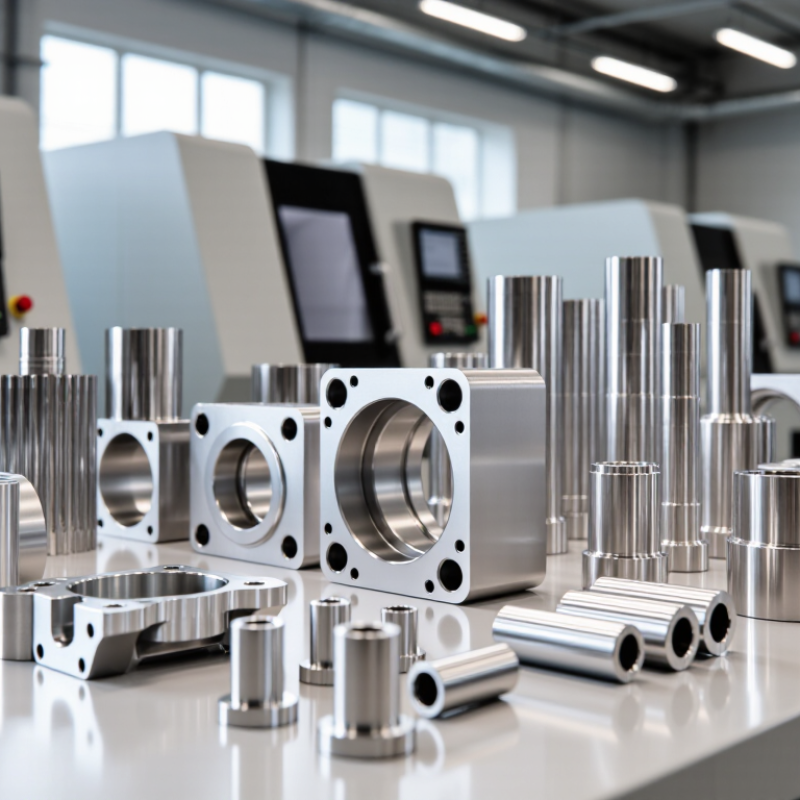
Aluminium parts are components shaped from aluminium alloys through processes such as machining, casting, extrusion, or sheet forming. Each method suits different needs: a machined housing may require precise bores, while an extruded rail can provide a long, consistent profile. Alloy choice also matters. Strength, weight, corrosion behavior, and heat transfer vary, so “aluminium” alone is not a complete specification.
These parts appear in vehicle structures, industrial equipment, building systems, and electronic enclosures. A pump housing may need accurately aligned ports; an outdoor panel may need a protective finish and reliable drainage. Aluminium resists corrosion, but it is not immune to damage. Moisture, surface wear, or contact with dissimilar metals can create problems. Small details matter.
For global applications, buyers should share drawings, tolerances, alloy requirements, surface-finish expectations, and inspection criteria with suppliers. Ask how dimensions are checked and how parts are protected during shipping; thin edges can dent before installation. Local conditions matter too, including temperature changes and exposure to salt or chemicals. A drawing can still leave gaps. Clarify those assumptions with samples or technical reviews, while recognizing that a sample may not reveal every production variation.
| No. | Supplier Type | Common Processes | Typical Aluminium Materials | Common Parts | Typical Applications | Best Fit for Buyers |
|---|---|---|---|---|---|---|
| 1 | Aluminium extrusion supplier | Billet heating, extrusion, stretching, cutting, heat treatment, and optional machining | 6063 and 6061 extrusions; other alloys may be available for specific strength or conductivity requirements | Profiles, rails, frames, heat sinks, and structural sections | Building systems, solar mounting, transport structures, and electronics cooling | Projects needing long, consistent cross-sections or custom profile shapes |
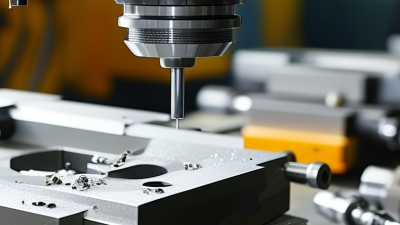
| 2 | CNC machining supplier | Computer-controlled milling, turning, drilling, tapping, and finishing | 6061 and 7075 plate or bar; 2024 is also used where its properties suit the application | Housings, brackets, manifolds, instrument parts, and precision components | Industrial equipment, robotics, aerospace components, and electronic devices | Parts requiring accurate features, prototypes, or low-to-medium production volumes |
| 3 | Sheet-metal fabrication supplier | Laser or waterjet cutting, punching, bending, welding, and surface finishing | Common sheet grades include 5052 and 6061; grade choice depends on forming, strength, and corrosion needs | Panels, enclosures, covers, brackets, trays, and cabinets | Electrical equipment, HVAC, vehicle bodies, and industrial machinery | Flat or bent parts made from sheet, especially when designs may change between production runs |
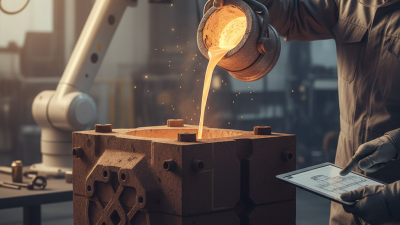
| 4 | High-pressure die-casting supplier | Molten-metal injection into a reusable steel die, followed by trimming and secondary machining | Common casting alloys include A380 and ADC12; exact grades depend on market and specification | Thin-wall housings, covers, brackets, and complex components with integrated features | Automotive systems, appliances, lighting, and telecommunications equipment | High-volume production of repeatable parts where tooling investment is justified |
| 5 | Sand-casting supplier | Sand-mould casting, shakeout, cleaning, heat treatment when specified, and machining | Cast aluminium-silicon alloys; alloy selection depends on casting design and service conditions | Pump bodies, machine bases, housings, and large or irregular castings | Pumps, compressors, marine equipment, and general industrial machinery | Large parts or lower-volume orders where sand-casting tooling can be economical |
| 6 | Permanent-mould and gravity-casting supplier | Gravity filling of reusable metal moulds, followed by trimming and optional machining | Cast aluminium alloys selected for the required balance of strength, castability, and corrosion resistance | Wheels, housings, valve bodies, and medium-complexity components | Transport equipment, industrial machinery, and fluid-handling systems | Buyers seeking repeatable cast parts at medium production volumes |
| 7 | Aluminium forging supplier | Hot or warm forming under press or hammer force, followed by trimming and machining | Wrought alloys such as 6061 and 7075 may be specified for suitable applications | Arms, hubs, fittings, structural connectors, and high-load components | Aerospace, automotive, cycling, and industrial equipment | Parts where directional strength and a forged grain structure are important design considerations |
| 8 | Aluminium stamping supplier | Blanking, punching, bending, drawing, and forming with press tooling | Formable sheet alloys, commonly including 1xxx, 3xxx, or 5xxx series grades as specified | Brackets, clips, shields, covers, and shallow drawn parts | Automotive, electrical products, appliances, and consumer goods | High-volume sheet components with repeatable geometry and a suitable tooling budget |
| 9 | Metal additive-manufacturing supplier | Powder-bed fusion or other metal additive processes, followed by support removal and finishing | AlSi10Mg is a commonly used aluminium alloy for powder-bed fusion; availability depends on process and supplier | Lightweight brackets, internal-channel parts, prototypes, and geometrically complex components | Aerospace development, medical equipment, thermal management, and industrial prototyping | Low-volume or development parts whose geometry benefits from additive design freedom |
| 10 | Integrated contract-manufacturing supplier | A combination of casting, extrusion or fabrication, machining, assembly, and finishing, in-house or through qualified partners | Material is selected to match the part design, process route, and applicable product specification | Finished assemblies, multi-process components, and production-ready subassemblies | Transportation, energy, electronics, construction, and industrial products | Global buyers seeking coordinated sourcing, consolidated supplier management, and assembly support |