2026 Top Holding Fixtures Trends and Innovations to Watch?
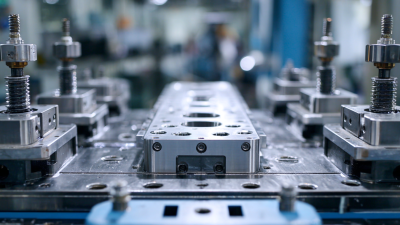
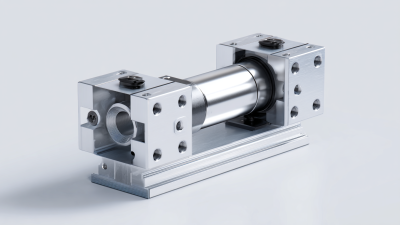
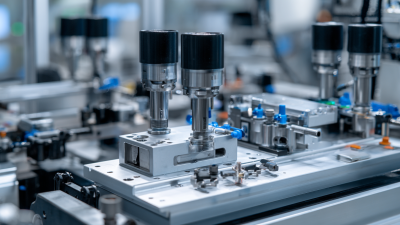
In the evolving landscape of manufacturing and design, the concept of "Holding Fixtures" stands at the forefront. These tools are vital for ensuring precision and stability during machining processes. As industries push for better efficiency, innovations related to holding fixtures are increasingly essential.
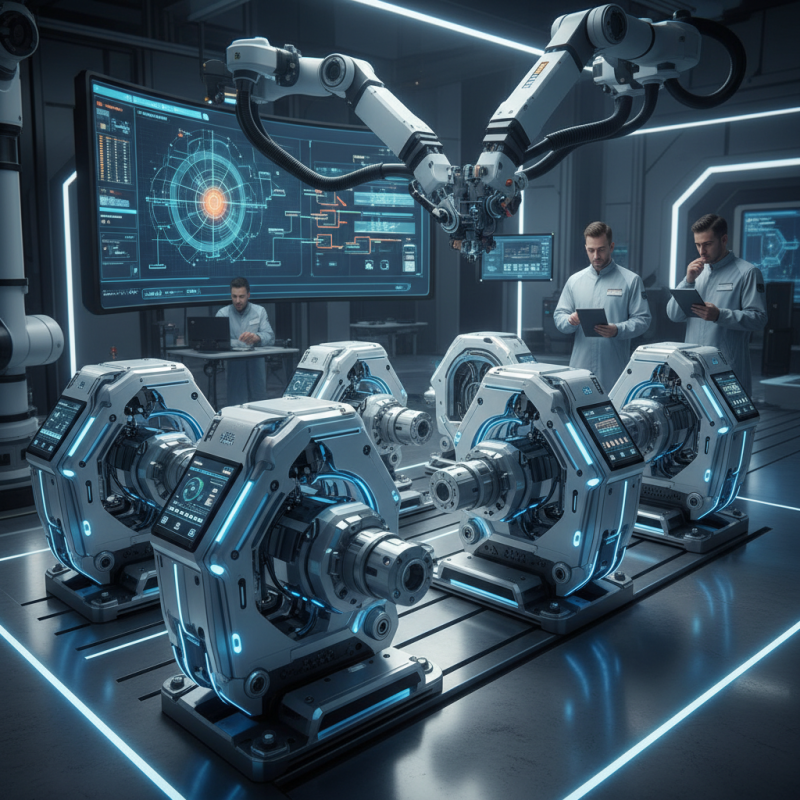
By 2026, we expect to witness a surge in trends that redefine how these fixtures are designed and utilized. Advances in materials will result in lighter, stronger fixtures. This can enhance performance and reduce production times. Additionally, the integration of smart technology will pave the way for fixtures that communicate with machines. Such progress promises a future where adaptability and precision are paramount.
However, not all innovations will be flawless. Some high-tech solutions may come with steep learning curves. Companies may struggle to keep up with rapidly changing technologies. Understanding these challenges is crucial for businesses looking to thrive. As we explore 2026's top holding fixtures trends and innovations, we must also reflect on potential setbacks and the lessons learned from past implementations.
Emerging Technologies Revolutionizing Holding Fixtures for 2026
Emerging technologies are reshaping holding fixtures significantly. The rise of advanced materials is a key area driving innovation. Composite materials, for example, offer superior strength-to-weight ratios. This change promises lighter fixtures with greater durability. According to industry reports, the global market for advanced composites is projected to exceed $90 billion by 2026.
Automation technology is another significant trend. Robotic systems are increasingly integrated into manufacturing processes. They enhance precision in fixture design and production. A recent study found that automation can reduce production times by as much as 25%. However, reliance on automation may lead to skill gaps in the workforce that need to be addressed.
Digital tools such as 3D printing are also making waves. This technique allows for rapid prototyping of fixtures. Companies can quickly test designs, iterating to find the best solutions. Still, not every new design fulfills operational requirements effectively. Continuous feedback and improvement are crucial to ensure optimal functionality. The challenge lies in balancing innovation with practical application in real-world scenarios.
2026 Top Holding Fixtures Trends
Sustainable Materials: The Future of Eco-friendly Holding Fixtures
The push for sustainable materials in holding fixtures is growing rapidly. With consumers increasingly favoring eco-friendly options, businesses must adapt. Reports indicate that the global green building materials market is expected to reach $431 billion by 2027, signifying a strong shift toward sustainability in the industry.
Using recycled materials can significantly reduce environmental impact. Fixtures made from reclaimed wood or upcycled metals not only enhance aesthetics but also lower carbon footprints. The circular economy approach encourages companies to design fixtures that are reusable or recyclable. This transformation can lead to cost savings in the long run.
Tip: Consider conducting an audit of your current materials. Identify items that can be replaced with sustainable alternatives. Small changes in material sourcing can lead to substantial benefits over time.
The transition to eco-friendly holding fixtures isn't flawless. Challenges such as sourcing quality sustainable materials persist. Moreover, the cost of sustainable options can be higher upfront. A balance is needed to ensure the development of effective, environmentally friendly fixtures. Keeping up with trends is crucial, but addressing these challenges head-on will pave the way for lasting innovations.
Tip: Collaborate with suppliers focused on sustainability. Establishing strong partnerships can streamline the process of integrating eco-friendly materials into your product offerings.
Innovative Design Trends in Holding Fixtures for Enhanced Functionality
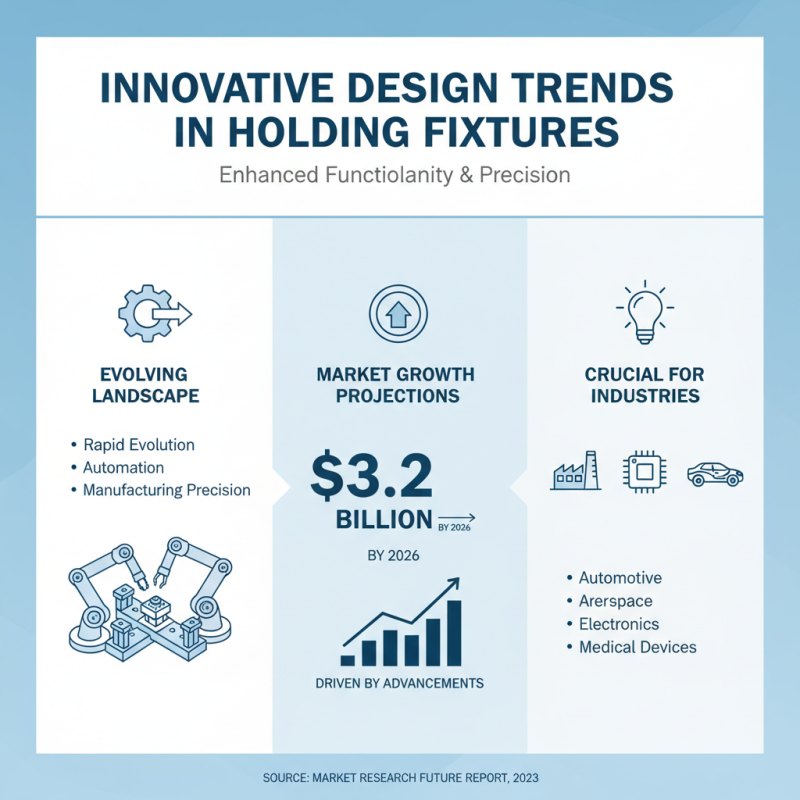
The landscape of holding fixtures is evolving rapidly. Innovative designs are crucial for enhancing functionality in various industries. According to a recent report by Market Research Future, the holding fixtures market is projected to reach $3.2 billion by 2026, driven by advancements in automation and manufacturing precision.
One notable trend is the integration of modular designs. These fixtures allow for quick adjustments to accommodate varying part sizes and shapes. This flexibility not only speeds up production time but also minimizes setup errors. However, achieving the right balance between modularity and stability can be challenging, necessitating continued research and development.
Another trend is the increasing use of lightweight materials such as composites and advanced plastics. These materials can significantly reduce fixture weight without sacrificing strength. This shift can lower energy costs during transportation and operation. Yet, manufacturers must remain cautious. The durability and longevity of these materials under different conditions is still under scrutiny. Balancing innovation with reliability remains a critical challenge for the industry.
Smart Fixtures: Integrating IoT for Improved Efficiency and Performance
The future of smart fixtures is bright, driven by the integration of the Internet of Things (IoT). These innovations promise greater efficiency and performance in various applications, from home lighting to industrial equipment. By connecting fixtures to the IoT, users can monitor and control systems remotely. This technology also enables data collection, allowing for improved decision-making.
Imagine a building equipped with smart lighting that adjusts based on occupancy. Not only does this reduce energy consumption, but it also enhances user comfort. However, the complexity of these systems can pose challenges. Ensuring robust connectivity and integration can be a daunting task, often requiring specialized knowledge.
Security is another consideration. With increased connectivity, the risk of cyber threats rises. Users must be aware of how to protect their systems. Balancing innovation with reliability is crucial. The potential for increased efficiency is significant, but it comes with responsibilities. Future trends in smart fixtures will hinge on overcoming these hurdles, establishing a secure, user-friendly environment.
2026 Top Holding Fixtures Trends and Innovations to Watch
| Trend/Innovation |
Description |
Expected Impact |
Key Features |
Integration Level |
| Smart Sensors |
Integration of sensors to monitor performance and maintenance needs. |
Improved efficiency and reduced downtime. |
Real-time monitoring, alerts for maintenance. |
High |
| Adaptive Lighting |
Smart fixtures adjusting light levels based on occupancy and time of day. |
Enhanced user comfort and energy savings. |
Automated adjustments, user customizable settings. |
Medium |
| Data Analytics |
Use of data to analyze fixture performance and user behavior. |
Informed decision-making for fixture usage. |
Performance metrics, usage patterns. |
High |
| Remote Management |
Ability to manage fixtures remotely via IoT platforms. |
Convenience and reduced operational costs. |
Cloud connectivity, mobile access. |
High |
| Energy Harvesting |
Fixtures that can generate energy from their environment. |
Sustainability and reduced energy costs. |
Solar panels, kinetic energy conversion. |
Medium |